


Introduction: The Chariot Festival That Moves the World
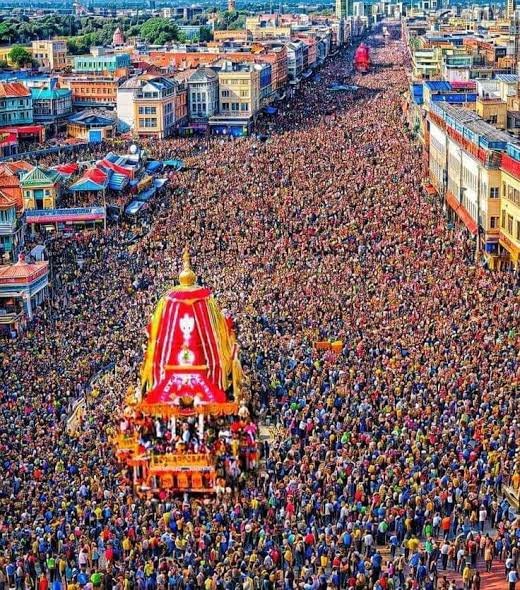
On July 16, 2026, the sacred coastal town of Puri, Odisha, witnessed one of the largest religious gatherings on Earth. Millions of devotees from across India and around the world converged to participate in the Jagannath Rath Yatra 2026—the annual chariot festival of Lord Jagannath, his brother Balabhadra, and sister Subhadra.
This year’s Rath Yatra was not just a religious event; it was a celebration of faith, unity, and cultural heritage that has continued uninterrupted for over 2,000 years. From the historic Jagannath Temple to the Gundicha Temple, the 3-kilometer journey (known as Bada Danda) became a river of humanity chanting “Jai Jagannath!” in unison.
In this blog, we bring you the complete story of Rath Yatra 2026—its significance, the grand procession, special arrangements, and the timeless traditions that make this festival one of the most extraordinary spiritual experiences in the world.
What is Jagannath Rath Yatra?
Rath Yatra (literally “Chariot Journey”) is the annual festival where the deities Lord Jagannath, Lord Balabhadra, and Devi Subhadra are taken out from their sanctum in the Jagannath Temple, Puri, and placed on three massive wooden chariots. These chariots are then pulled by thousands of devotees to the Gundicha Temple (their aunt’s temple), located about 3 kilometers away.
The Three Chariots
| Deity | Chariot Name | Height | Wheels | Color |
|---|---|---|---|---|
| Lord Jagannath | Nandighosa | 45 feet | 16 | Red & Gold |
| Lord Balabhadra | Taladhwaja | 44 feet | 14 | Green & Red |
| Devi Subhadra | Darpadalana | 43 feet | 12 | Black & Red |
Each chariot is newly built every year using traditional methods and specific types of wood, following ancient scriptures and rituals.
Rath Yatra 2026: Key Highlights
Date & Time
- Main Rath Yatra:July 16, 2026 (Thursday)
- Tithi: Ashadha Shukla Dwitiya (Hindu calendar)
- Chariot Pulling Began: 8:30 AM IST
- Arrival at Gundicha Temple: Late evening (procession continues throughout the day)
Expected Devotee Count
- Total Pilgrims: Estimated 2.5–3 million devotees over the Rath Yatra period
- Single Day Peak: Over 1 million on July 16, 2026
- International Visitors: Devotees from 50+ countries including USA, UK, France, Germany, Japan, and Australia
Special Features of 2026 Yatra
- Enhanced Security & Crowd Management
- 50,000+ security personnel deployed (police, paramilitary, volunteers)
- AI-powered CCTV surveillance with facial recognition
- Drone monitoring for crowd density
- 24 control rooms for real-time coordination
- Eco-Friendly Initiatives
- Ban on single-use plastics in the temple area
- Bio-toilets and waste management systems
- Electric vehicles for VIP and emergency transport
- Live Streaming & Digital Darshan
- Official live telecast on Odisha TV and YouTube
- 360-degree virtual darshan for global devotees
- Mobile app for real-time updates on crowd, routes, and facilities
- Special Arrangements for Senior Citizens & Disabled
- Dedicated wheelchair-accessible pathways
- Medical camps every 500 meters
- Free ambulance services and first-aid stations
- Cultural Programs
- Traditional Odissi dance performances
- Kirtan groups from across India
- Folk music and devotional singing along Bada Danda
The Grand Procession: How It Unfolded on July 16, 2026
Early Morning: Pre-Dawn Rituals
The day began at 4:00 AM with the Pahandi Bije ritual, where the deities are gently carried from the main temple sanctum to the Ratna Bhandar (treasury) and then to the Chandi Mandapa.
Devotees gathered hours in advance, many spending the night on the streets near the temple to get a glimpse of the deities. The air was filled with chanting, conch shells, and the sound of traditional Odissi music.
Mid-Morning: The Chariot Ascension
By 8:00 AM, the deities were ceremonially placed on their respective chariots in a ritual called Danda Pakala. This is when the Gajapati Maharaja (the traditional King of Puri) performs the Chera Pahanra ritual—sweeping the chariots with a broom decorated with peacock feathers.
This ritual symbolizes humility—even a king bows before the Divine, showing that in front of God, all are equal regardless of status, wealth, or power.
Late Morning to Evening: The Pulling of Chariots
At 8:30 AM, the historic moment arrived. The Gajapati Maharaja pulled the first rope of Lord Jagannath’s chariot, and the procession officially began.
What followed was a spectacle of devotion:
- Thousands of devotees pulled the three massive ropes attached to each chariot
- The crowd chanted “Jai Jagannath! Jai Balabhadra! Jai Subhadra!” in waves
- Traditional drums (nagasans), cymbals, and conch shells created a divine symphony
- Saffron flags fluttered above the sea of humanity
- Bhajan-Kirtan groups sang devotional songs from every corner
The Journey to Gundicha Temple
The 3-kilometer journey from Jagannath Temple to Gundicha Temple (known as Bada Danda) took the entire day. The chariots moved slowly, stopping frequently to allow devotees to offer prayers and perform rituals.
By late evening, all three deities reached the Gundicha Temple, where they will reside for nine days before returning to the main temple in the Bahuda Yatra (return journey) on July 25, 2026.
The Science & Engineering Behind the Chariots
While Rath Yatra is a deeply spiritual event, the construction of the chariots is also a marvel of traditional engineering passed down through generations.
Construction Process
- Wood Selection: Specific trees (like Phasi, Asana, Dhausa) are selected from forests near Puri based on ancient guidelines.
- Carpenters: Hereditary carpenters (known as Maharanas) build the chariots using traditional tools—no modern machinery is used.
- No Nails or Iron: The chariots are assembled entirely with wooden pegs and joints, ensuring structural integrity without metal.
- Timeline: Construction begins 2 months before the festival and is completed just days before Rath Yatra.
Dimensions & Capacity
- Each chariot weighs approximately 65 tons
- Requires 4,000+ devotees to pull each chariot
- Ropes are made from coconut fiber and jute, each weighing several tons
- Wheels are 7 feet in diameter and carved from single pieces of wood
This ancient engineering has been perfected over 2,000+ years, making it a UNESCO-worthy intangible cultural heritage.
Spiritual Significance: Why Millions Attend
1. Darshan of Lord Jagannath
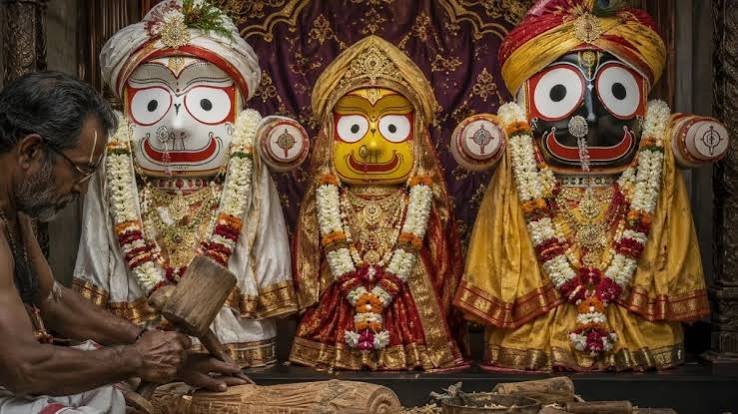
Devotees believe that seeing Lord Jagannath during Rath Yatra washes away sins and grants moksha (liberation from the cycle of birth and death). The deity’s unique form—with large, round eyes and a benevolent smile—symbolizes the all-seeing, compassionate Divine.
2. Pulling the Chariot Ropes
It is considered extremely auspicious to pull the ropes of the chariots. Devotees believe this act brings them closer to God and earns divine blessings for themselves and their families.
3. Equality of All Beings
Unlike many temples where only Hindus can enter, Rath Yatra is open to all—regardless of religion, caste, or nationality. This universal accessibility reflects Lord Jagannath’s message of inclusive divinity.
4. The Journey of the Soul
Symbolically, the journey from the main temple to Gundicha Temple represents the soul’s journey from material existence to spiritual liberation. The return journey (Bahuda Yatra) signifies the soul’s return to the divine abode.
Special Rituals During Rath Yatra
1. Pahandi Bije
The deities are carried from the main temple to the chariots in a ceremonial procession.
2. Chera Pahanra
The Gajapati Maharaja sweeps the chariots, symbolizing humility before God.
3. Danda Pakala
The ceremonial placement of deities on the chariots.
4. Chandan Yatra
A 42-day festival preceding Rath Yatra where the deities are anointed with sandalwood paste.
5. Bhata Lagila
Offering of cooked rice to the deities before the journey begins.
6. Gundicha Yatra
The main chariot procession to Gundicha Temple.
7. Bahuda Yatra (Return Journey)
Deities return to the main temple on July 25, 2026.
8. Sunya Darshan
After the deities return, the temple remains empty for four days, symbolizing separation from the Divine.
Devotee Stories: Faith in Motion
From Mumbai: “I’ve Come Every Year for 15 Years”
“I save money throughout the year just to come here,” said Ramesh Kumar, a 52-year-old shopkeeper from Mumbai. “This is my 15th Rath Yatra. Every time I pull the rope, I feel like God is pulling me closer to Him.”
From London: “The Energy is Unmatched”
Sarah Williams, a British devotee who has been studying Hinduism for 10 years, attended her first Rath Yatra in 2026. “I’ve seen many religious festivals, but nothing compares to this. The energy, the devotion, the unity—it’s overwhelming in the best way.”
From Kolkata: “My Family Has Been Coming for Generations”
“My great-grandfather first brought my grandfather here in the 1920s,” said Anjali Das, a homemaker from Kolkata. “Now I bring my children. It’s not just a festival; it’s our family tradition.”
Logistics & Safety: How 3 Million People Are Managed
Organizing an event of this magnitude requires military-level precision. Here’s how the Odisha government and temple authorities ensured safety and smooth operations:
Security Deployment
- 50,000+ personnel including police, paramilitary forces, and volunteers
- 24 control rooms with real-time monitoring
- AI-powered CCTV cameras covering all major routes
- Drone surveillance for crowd density tracking
Medical Facilities
- 50+ medical camps along Bada Danda
- 10 mobile hospitals with ICU facilities
- 200+ ambulances on standby
- 1,000+ doctors and paramedics on duty
Sanitation & Hygiene
- 5,000+ bio-toilets installed
- 500+ water distribution points
- Waste management teams working round the clock
- Hand sanitizing stations every 100 meters
Traffic & Transportation
- Complete vehicle ban within 5 km of the temple
- Special trains and buses for pilgrims
- Helicopter services for emergency evacuation
- Designated parking areas outside the city
Rath Yatra 2026: By the Numbers
| Metric | Figure |
|---|---|
| Total Devotees | 2.5–3 million |
| Security Personnel | 50,000+ |
| Medical Camps | 50+ |
| CCTV Cameras | 500+ |
| Volunteers | 10,000+ |
| Countries Represented | 50+ |
| Chariot Height (Jagannath) | 45 feet |
| Chariot Weight | 65 tons each |
| Rope Length | 1+ km each |
| Bada Danda Distance | 3 kilometers |
| Duration of Stay at Gundicha | 9 days |
| Return Date (Bahuda Yatra) | July 25, 2026 |
The Return Journey: Bahuda Yatra 2026
After nine days at Gundicha Temple, the deities will return to the main Jagannath Temple in the Bahuda Yatra on July 25, 2026.
Key Highlights of Bahuda Yatra
- Date: July 25, 2026
- Time: Early morning start
- Special Ritual:Poda Pitha offering (a traditional Odia sweet) to the deities
- Significance: The return journey is considered equally auspicious, with many devotees returning specifically for this day
The festival concludes with Niladri Bije on July 26, 2026, when the deities re-enter the main temple sanctum, marking the end of the annual Rath Yatra cycle.
Why Rath Yatra is a UNESCO-Worthy Heritage
The Jagannath Rath Yatra is not just a religious festival—it’s a living tradition that has survived for over two millennia. Here’s why it deserves global recognition:
1. Ancient Continuity
The festival has been celebrated without interruption for over 2,000 years, making it one of the oldest continuously practiced religious festivals in the world.
2. Cultural Diversity
Devotees from every Indian state and dozens of countries participate, showcasing India’s cultural and religious diversity.
3. ** Traditional Craftsmanship**
The chariot construction uses ancient woodworking techniques passed down through generations, with no modern machinery involved.
4. Inclusive Faith
The festival is open to all, regardless of religion, caste, or nationality—a rare example of universal religious inclusivity.
5. Community Participation
Thousands of volunteers, priests, carpenters, cooks, and security personnel work together selflessly, embodying the spirit of seva (selfless service).
How to Attend Rath Yatra 2027 (Planning Tips)
If you’re inspired to attend next year’s Rath Yatra, here are some practical tips:
1. Book Early
- Hotels in Puri get fully booked 6 months in advance
- Consider staying in nearby towns like Bhubaneswar or Konark (1–2 hours away)
2. Travel Light
- Carry minimal luggage
- Wear comfortable cotton clothes and walking shoes
- Bring a small backpack with water, snacks, and medicines
3. Stay Hydrated
- Drink plenty of water (bottled or from official distribution points)
- Avoid street food if you have a sensitive stomach
4. Follow Safety Guidelines
- Stay in designated areas
- Follow police instructions
- Keep emergency contact numbers handy
5. Respect Local Customs
- Dress modestly
- Ask before taking photos of devotees
- Remove footwear before entering temple areas
6. Use Official Resources
- Check the Odisha Tourism website for updates
- Download the Rath Yatra mobile app for real-time information
- Follow official social media handles for announcements
Conclusion: More Than a Festival—A Divine Experience
The Jagannath Puri Rath Yatra 2026 was not just a religious gathering; it was a testament to the enduring power of faith. Millions of people, from all walks of life, came together in perfect harmony, united by their devotion to Lord Jagannath.
In a world often divided by differences, Rath Yatra reminds us that love, faith, and humility can bring humanity together. The sight of a king sweeping the chariot, the rich and poor pulling the same rope, and devotees from 50+ countries chanting in unison—these are moments that transcend religion and speak to the universal human longing for connection with the Divine.
As the deities rest at Gundicha Temple for nine days before their return journey, millions of devotees carry with them memories that will last a lifetime—and the promise to return next year.
Jai Jagannath! Jai Balabhadra! Jai Subhadra! 🙏🚩
About The Author