

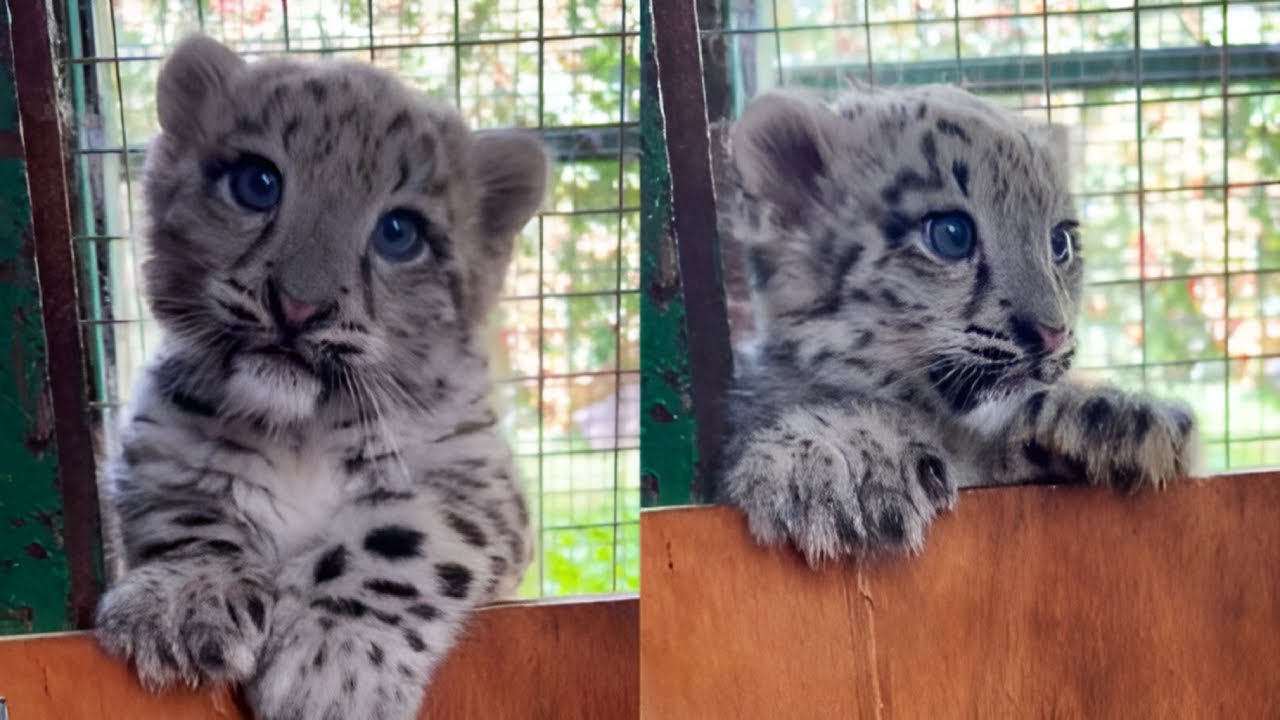
Yes! Two snow leopard cubs were recently born at the Padmaja Naidu Himalayan Zoological Park in Darjeeling. The mother, named Rare, and the father, Namka, welcomed their cubs at the Togbey Danra conservation breeding centre, located about 20 km from Darjeeling.
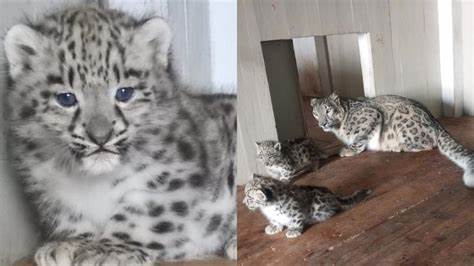
This is a significant event because snow leopards are classified as ‘vulnerable’ by the IUCN, with only 4,000–7,500 individuals left in the wild. The Darjeeling Zoo has been actively involved in snow leopard conservation since 1985 and currently houses the largest captive population of the species in the world.
The cubs are being closely monitored and will be introduced to the public after a few months. Quite the milestone for conservation efforts!
The term white leopard can refer to different phenomena, but true white leopards are extremely rare. Here’s a breakdown:
- Snow Leopards (Panthera uncia) are often mistaken for white leopards due to their pale, smoky-grey to creamy-white coats. They are adapted to high-altitude environments and use their coloration for camouflage.
- Albino Leopards lack all pigmentation, resulting in a completely white coat with pink eyes. This condition is extremely rare and has been documented only a handful of times.
- Leucistic Leopards have partial loss of pigmentation, leading to a pale coat but normal-colored eyes. This is more common than albinism but still rare.
Snow leopards are often called the “ghosts of the mountains” because of their elusive nature and light-colored fur. They are classified as vulnerable due to habitat loss and poaching.