

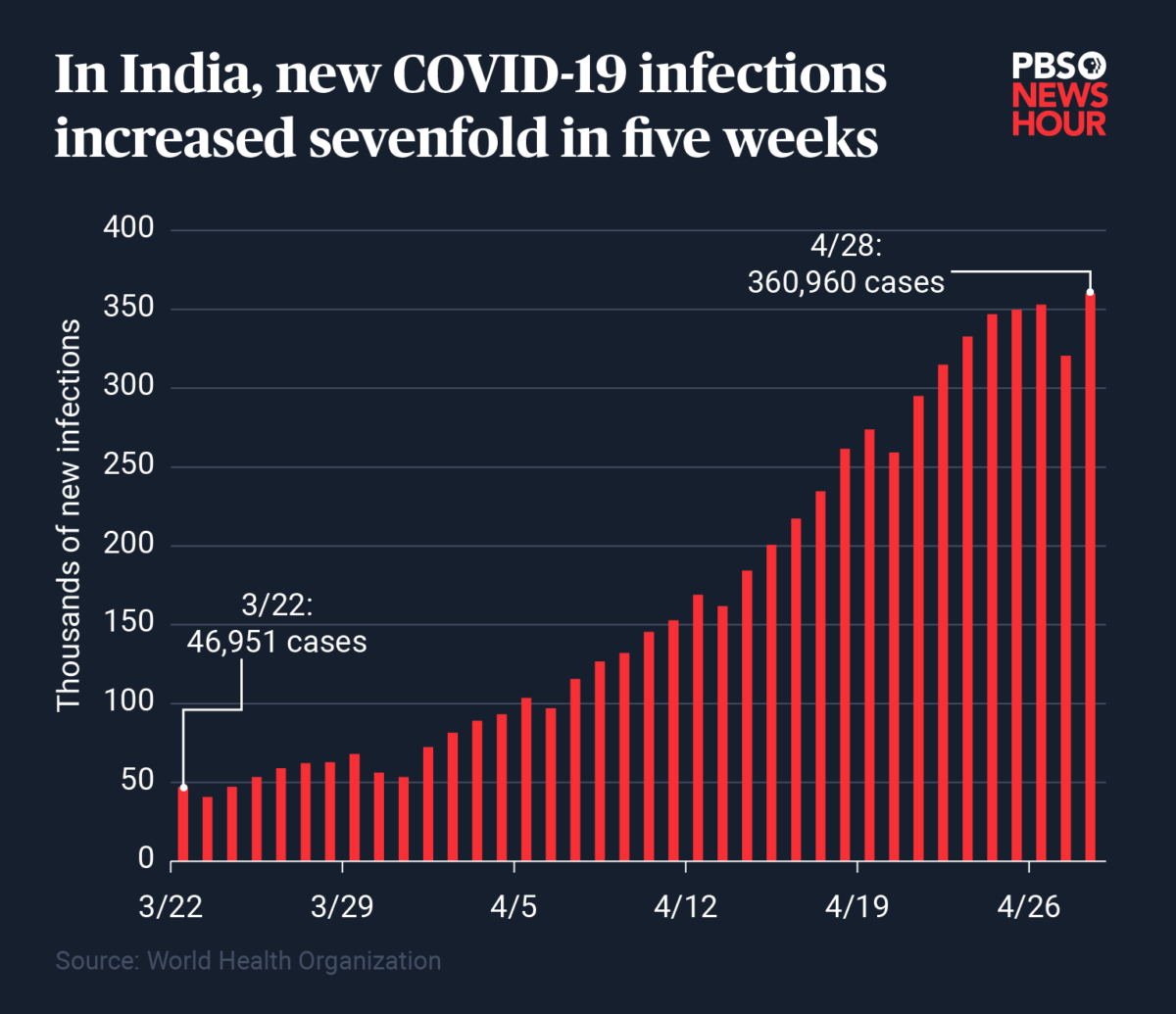
India is experiencing a gradual rise in COVID-19 cases, with 1,010 active infections reported nationwide. Health authorities are keeping a close watch on the emerging trends as certain states, including Kerala, Maharashtra, and Delhi, show an increase in infections.
Key Updates in India’s COVID-19 Situation:
1. Surge in Cases Across Multiple States
Several states have reported a noticeable uptick in cases, with Kerala leading at 430 active cases, followed by Maharashtra (209 cases) and Delhi (104 cases). The situation in Karnataka, particularly in Bengaluru, is also of concern, as 73 out of the state’s 80 total cases are concentrated there.
Health experts attribute this rise to seasonal changes and increased mobility, along with the possibility of new mutations of the virus. While these numbers remain relatively low compared to earlier waves, monitoring and preventive measures are being reinforced to prevent further escalation.
2. New COVID Variants Under Surveillance
Two new sub-variants, NB.1.8.1 and LF.7, have been detected in India. Although these are not officially classified as variants of concern, health officials are closely studying their transmission rate, severity, and vaccine resistance. Such mutations are a natural part of the virus’s evolution and must be watched carefully to gauge their impact.
LF.7, in particular, has similarities to previous variants that exhibited higher transmissibility, though no signs suggest severe symptoms or increased hospitalization rates at the moment. Scientists are analyzing these variants further to determine how effectively current vaccines and immunity levels can counter them.
3. Rising Cases in Delhi & Bengaluru
Delhi’s case count has steadily risen, crossing the 100 active cases mark. Authorities have emphasized early detection through testing, urging citizens to seek medical attention if experiencing symptoms such as fever, sore throat, fatigue, or difficulty breathing.
Meanwhile, Bengaluru has witnessed a concentration of cases in urban areas, where high population density and travel could contribute to the spread. The Karnataka government is keeping a strict monitoring system in place, focusing on hospital capacity and preparedness.
4. First COVID Fatality Reported in Maharashtra
A tragic development occurred in Kalyan-Dombivli, Maharashtra, where a woman succumbed to COVID-19, marking the first fatality linked to the virus in the region this season. While the overall fatality rate remains low, this incident highlights the importance of precautionary measures, particularly for elderly individuals and those with pre-existing health conditions.
Medical professionals advise regular health check-ups, especially for vulnerable individuals, and stress that symptoms should not be ignored.
5. Global COVID-19 Situation
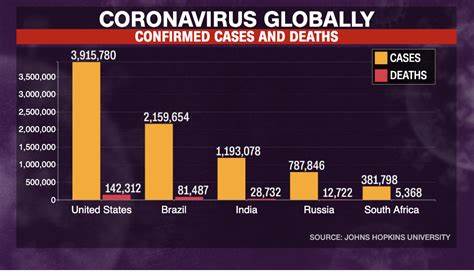
COVID-19 cases are rising in several regions, with South-East Asia, Eastern Asia, and parts of the Americas seeing noticeable increases2. The JN.1 variant has been identified as a highly contagious strain, though experts suggest it does not cause more severe illness than previous variants.
Key Updates Across the World
- South-East Asia Surge: Singapore reported a 28% increase in cases, rising from 11,100 to 14,200 within a week. Hong Kong is also seeing a spike, with COVID-positive respiratory samples at their highest level this year.
- China & Taiwan: Severe cases in China have doubled, and Taiwan has seen a 78% increase in hospital admissions.
- United States: The NB.1.8.1 variant has been detected in travelers from China, Japan, South Korea, and Europe, but there is no major surge in cases.
- India: Cases are rising, with Kerala, Maharashtra, and Delhi reporting the highest numbers. The NB.1.8.1 and LF.7 variants are under surveillance.
6. Precautionary Measures & Government Advisory
With cases rising, health officials have reintroduced recommendations to limit transmission:
- Mask-Wearing in Crowded Places: While not mandatory, masks are advised in public transport, hospitals, and congested areas.
- Hand Hygiene: Washing hands frequently and using alcohol-based sanitizers can minimize the risk of infection.
- Vaccination: Booster doses remain available for those who have yet to receive them, particularly among elderly populations.
- Social Distancing: Avoiding unnecessary close contact in high-risk zones may help curb the spread.
Authorities have not imposed any lockdown or travel restrictions but urge citizens to remain vigilant and report symptoms early. As the situation develops, health departments may update their guidelines based on real-time case patterns.