

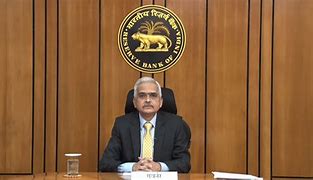
Reserve Bank of India (RBI) Governor Shaktikanta Das said on Thursday that India’s domestic financial system is now in a much stronger position than it was before the country entered the period of the COVID crisis.
“The Indian financial system is now in a much stronger position, characterized by robust capital adequacy, low levels of non-performing assets, and healthy proficiency of banks and non-banking lenders, that is, NBFCs,” Das said while addressing the inaugural session of ‘Keeping the Financial System Resilient, Future-Ready, and Crisis-Immune’ in Mumbai.
Governor Das complimented the banks and other financial sector entities for their stellar performance in the year, which just ended on March 31. “There is absolutely no room for complacency because the world is changing, challenges are coming, complexities are growing, and problems can originate from any corner of the financial system within the country or the world because of something that may be completely unrelated to you and me,” he said.
He further said that banks and non-banking finance companies (NBFCs) should not take “unacceptable risks” in the pursuit of growth, and they must have robust risk mitigation frameworks. “While business models may be designed to drive profitability and growth, they sometimes contain vulnerabilities or abilities that may not be apparent,” he said.
Both regulated entities and supervisors need to be vigilant for risks, if any, in their business modes.
“The pursuit of business growth is important, but it should never come at the expense of taking on unacceptable risks,” Das said. He said robust risk management ensures the long-term success and resilience of a regulated entity as well as of the overall financial system.
The RBI Governor said that when serious problems appear in a financial entity, an RBI officer of the rank of executive director addresses the full board of that organization and shares the regulator’s concerns.
On unsecured loans, he said, the timely action on unsecured loans has moderated the growth of such loans. “We thought it was better to act in advance and slow down the credit growth in these segments,” the governor said.