

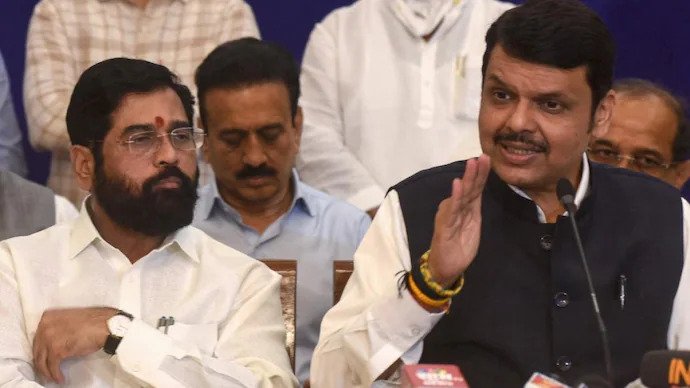
The Maharashtra government will be implementing the Lokpal Act in the state. The act would bring the chief minister under the jurisdiction of the Lokayukta.
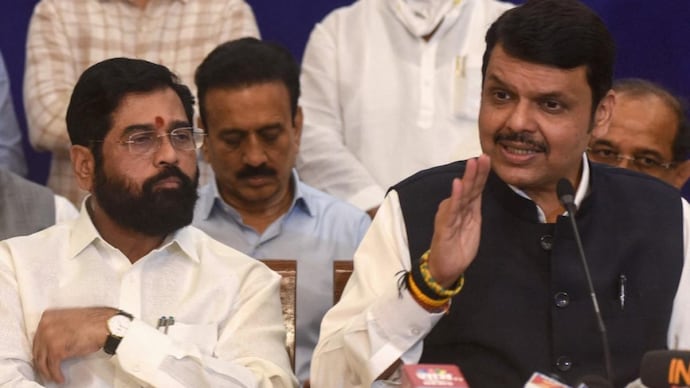
It will be five members Lokayukta with the chief justice of the high court and the Supreme Court judges.
The Maharashtra government will be implementing the Lokpal Act in the state, which will put the chief minister of the state under the jurisdiction of Lokayukta. The recommendations of a panel led by social activist Anna Hazare have been accepted completely.The Anna Hazare Committee’s recommendation to establish a Lokayukta similar to a Lokpal in Maharashtra was approved during a cabinet meeting held in Nagpur ahead of the assembly session. “We will run the government with complete transparency. We will make Maharashtra corruption free, that’s why we have decided to bring Lokayukta law into the state,” Maharashtra CM Eknath Shinde said while speaking to reporters.
“Anna Hazare was demanding the Lokpal Act in Maharashtra. We constituted a committee under the leadership of Anna Hazare for recommendations during our tenure. However, no action was taken on it during the Maha Vikas Aghadi (MVA) government. When we returned to power, we expedited the process,” said Maharashtra’s Deputy Chief Minister Davendra Fadnavis.
The Lokayukta will be a five-member team, including chief justice of the High Court and the Supreme Court judges part it.“We are making a new act of Lokpal to fight corruption, and it is the biggest step our government has taken in the last five months,” said the deputy CM.
WHAT IS LOKAYUKTA?
Lokayukta is an apex statutory functionary, which is meant to look after the grievances of the people against a state government and its administration.
Once the bill is passed, the governor will appoint the Lokayukta after due consultations with chief justice of the Bombay High Court and Leader of Opposition in the Maharashtra Legislative Assembly.
Maharashtra was the first state in the country to establish the Lokayukta through the Maharashtra Lokayukta and Upa-Lokayuktas Act, 1971.
Read more at: