


Introduction
The world is once again on edge as tensions between the United States and Iran spiral into open confrontation. Recent airstrikes and retaliatory attacks have reignited fears of a wider regional war, with global oil markets and international security hanging in the balance.
What Happened
- U.S. Strikes: American forces targeted Iranian radar sites, missile systems, and naval assets in the Strait of Hormuz, a critical chokepoint for global oil shipments.
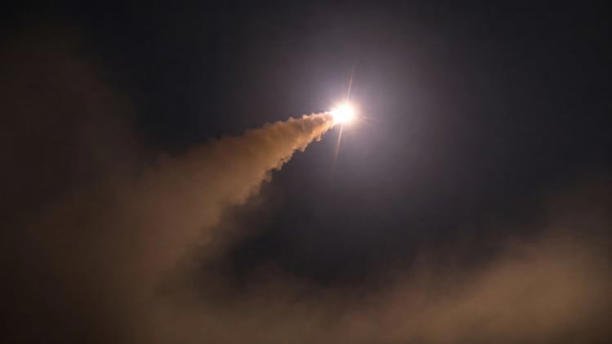
- Iran’s Response: Iran retaliated with missile and drone attacks on U.S. bases in Jordan, Bahrain, and Kuwait, claiming civilian casualties inside its borders.
- Trump’s Declaration: President Donald Trump announced that the U.S. would act as the “guardian” of the Strait of Hormuz, proposing a 20% cargo levy on ships passing through the waterway.
Regional Fallout
- Saudi Arabia launched strikes on Sanaa International Airport in Yemen, prompting vows of retaliation from Houthi rebels.
- Ukraine intensified drone attacks on Russian ships in the Sea of Azov, further destabilizing global trade routes.
Global Implications
- Oil Prices: Brent crude surged by 4%, reflecting fears of supply disruptions.
- Security Risks: The escalation threatens energy imports across South Asia and could destabilize already fragile regional alliances.
- Civilian Impact: Reports of casualties highlight the human cost of this geopolitical struggle.
Why It Matters
The Strait of Hormuz handles nearly 20% of the world’s oil supply. Any prolonged conflict here could trigger a global energy crisis, disrupt shipping lanes, and reshape international alliances. For India and other energy-dependent nations, this crisis is more than a distant headline—it’s a direct threat to economic stability.
Conclusion
The U.S.–Iran confrontation is not just another flare-up in the Middle East; it is a pivotal moment with global consequences. As military strikes intensify and retaliations mount, the world watches anxiously, hoping diplomacy can prevail before the crisis spirals into full-scale war.
About The Author


