



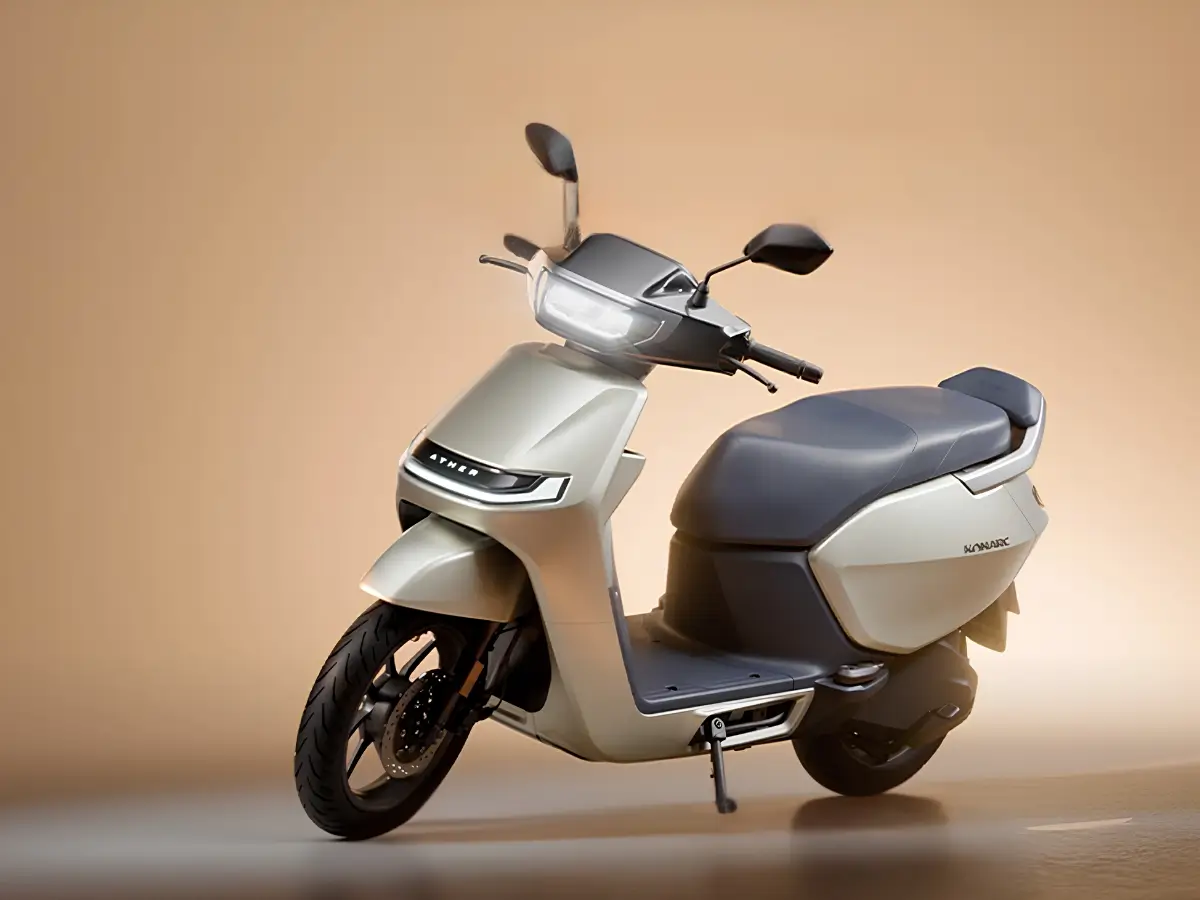
Ather has become one of the most talked-about names in India’s electric scooter market. Known for its stylish design, smart features, and lower running costs, the brand has built a strong reputation among city riders who want a cleaner and more efficient alternative to petrol scooters.
If you are planning to buy an electric scooter, Ather is often seen as a premium option with practical benefits. It combines smooth performance, connected technology, and low maintenance, which makes it attractive for daily commuting.
Why Ather Stands Out
Ather scooters are designed for urban travel, where stop-and-go traffic and short daily rides are common. Their electric motor gives instant torque, which helps the scooter feel quick and responsive in city conditions.
Another major advantage is running cost. Reports from Ather and other comparison guides show that electric scooters generally cost far less per kilometer than petrol scooters, especially when charged at home.
Ather is also known for tech-focused features such as smart dashboards, app connectivity, and a modern riding experience. For buyers who value convenience and innovation, that often makes the scooter more appealing than a basic petrol model.
Ather Scooter Price and Use
Ather scooters are usually priced in the premium electric scooter category, which means the upfront cost can be higher than some petrol scooters. Ather’s own comparison notes that the on-road price of an Ather scooter can be around ₹1.33 lakh in Bengaluru, while a petrol scooter may be around ₹1.2 lakh.
Even though the initial price may be higher, the lower fuel and maintenance expense can help balance the cost over time. For riders who cover regular daily distances, that difference can become meaningful within a few years.
Electric vs Petrol Scooters
Here is a simple comparison chart you can use in your blog.
| Factor | Electric Scooter | Petrol Scooter |
|---|---|---|
| Running cost | Much lower, often around ₹0.15–₹0.50 per km depending on charging method. | Higher, usually around ₹1.80–₹2.50 per km in India. |
| Refueling time | Needs charging, usually taking a few hours at home. | Can be refueled in minutes at a petrol pump. |
| Maintenance | Lower, because there are fewer moving parts and no oil changes. | Higher, with regular servicing and oil-related maintenance. |
| Noise | Quiet and smooth. | Noisier due to engine combustion. |
| Emissions | No tailpipe emissions during use. | Produces emissions and contributes to pollution. |
| Daily commute fit | Best for city riding and short-to-medium trips. | Better for riders who want quick refueling and longer-range convenience. |
| Upfront price | Often higher for premium models like Ather. | Often lower, depending on the model. |
Which One Is Better?
If your priority is lower daily expense, a quieter ride, and modern features, an Ather electric scooter is a strong option. It is especially useful for city riders who can charge at home and do not need frequent long-distance travel.
A petrol scooter may still make sense if you want faster refueling, wider service access, or more convenience for longer rides. For many Indian buyers, the best choice depends on how far they travel each day and whether they can manage charging at home.
Conclusion
Ather has positioned itself as one of the most practical premium electric scooter brands in India. Its biggest strengths are low running cost, smooth performance, and smart features, while the main limitation is the higher upfront price compared with many petrol scooters.
For daily city use, an electric scooter like Ather can be a smart long-term buy. For riders who value instant refueling and traditional convenience, petrol scooters still remain relevant.
About The Author


