



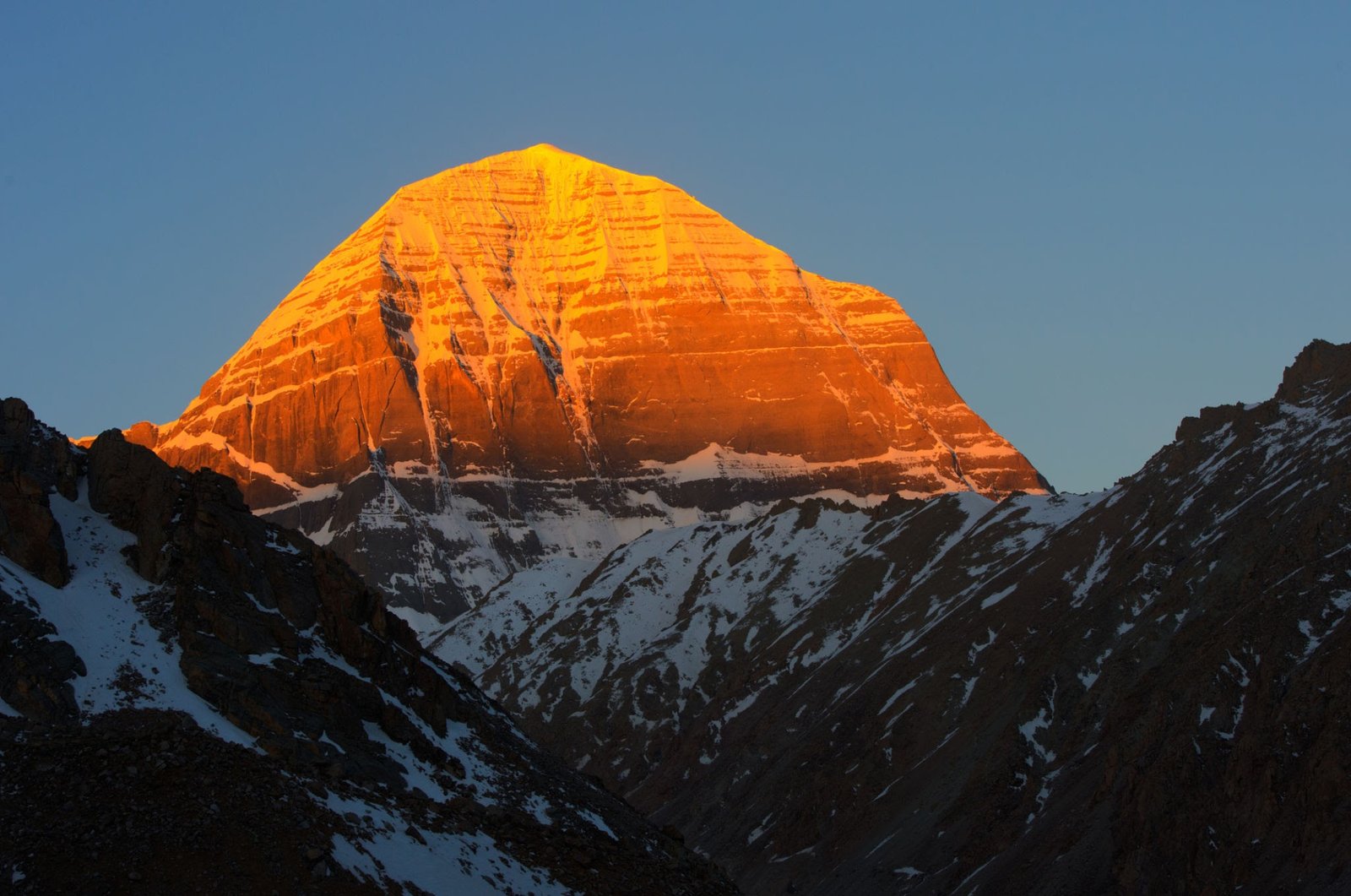
Kailash Yatra is one of the most spiritual and unforgettable pilgrimages in the world. For devotees of Lord Shiva, Buddhists, Jains, and seekers of peace, this journey is far more than a travel experience. It is a deeply meaningful adventure that combines faith, endurance, and the breathtaking beauty of the Himalayas.
Introduction
Mount Kailash and Lake Mansarovar hold a special place in the hearts of millions of people. The mountain is regarded as sacred, and the yatra attracts pilgrims who wish to experience its divine presence, complete the parikrama, and witness the remote beauty of the Tibetan landscape. For many, the journey begins as a religious trip but soon becomes an emotional and spiritual awakening.
The journey is challenging, but that is also what makes it powerful. High altitude, unpredictable weather, and long travel routes test both body and mind, while the spiritual reward keeps pilgrims motivated throughout the trip. Every step in the journey feels purposeful, and every hardship becomes part of the devotion.
Routes to Kailash
There are multiple ways to reach Kailash Mansarovar, and each route offers a different experience. The India routes commonly mentioned include Lipulekh Pass in Uttarakhand and Nathu La Pass in Sikkim, while Nepal-based routes through Kathmandu, Kerung, Simikot, and Hilsa are also popular. Each path comes with its own level of difficulty, scenery, and travel style.
The Lipulekh route is typically longer and more physically demanding, while the Nathu La option is considered comparatively less strenuous. Nepal routes often give travelers more flexibility, especially when combining road and flight segments. Choosing the right route depends on fitness, time, and the kind of journey a pilgrim hopes to experience.
Parikrama Experience
The Mount Kailash parikrama is the heart of the yatra. The classic three-day circuit usually begins at Darchen, then continues to Dirapuk, across the Dolma La Pass, and finally to Zuthulpuk before returning to Darchen. This sacred walk is not only a physical challenge but also a deeply symbolic act of devotion.
This part of the journey is physically demanding because of the altitude and the long walking stretches. Even so, pilgrims consider it one of the most sacred experiences in the entire journey, and many describe it as life-changing. The silence, the mountains, and the spiritual atmosphere make the parikrama unforgettable.
Best Time To Go
The best time for Kailash Yatra is generally between late spring and early autumn. Many travelers prefer May to early June and late August to early October because the weather is more stable and visibility is better. During these months, the chances of smoother travel and safer conditions are higher.
The monsoon period can bring difficult conditions, and winter is usually too harsh for most travelers. Planning the trip in a suitable season can make the experience safer and more comfortable. For a journey as demanding as Kailash Yatra, timing can make a major difference.
Preparation Tips
Good preparation is essential for Kailash Yatra. Pilgrims should focus on fitness, acclimatization, and packing warm clothing, medicines, sunglasses, sunscreen, and other high-altitude essentials. The more prepared a traveler is, the better the journey feels both physically and mentally.
Medical fitness matters a lot because the journey takes place at extreme elevation. Travelers should also arrange permits, passport documents, and route approvals in advance, since this is not an ordinary pilgrimage. Proper planning helps reduce stress and allows pilgrims to focus more on the spiritual purpose of the journey.
Spiritual Meaning
What makes Kailash Yatra special is its spiritual depth. For Hindus, Mount Kailash is closely associated with Lord Shiva, while for Buddhists, Jains, and Bon followers, the region also carries deep religious meaning. This shared reverence gives the destination a unique spiritual identity that crosses communities and traditions.
Many pilgrims say the journey teaches patience, humility, and devotion. The landscape is harsh, but the experience often leaves people with a strong sense of peace and purpose. That emotional transformation is one of the biggest reasons Kailash Yatra is remembered for a lifetime.
Conclusion
Kailash Yatra is not just a travel destination; it is a once-in-a-lifetime pilgrimage that blends devotion, endurance, and breathtaking natural beauty. Whether one goes for faith, personal growth, or the challenge itself, the journey to Mount Kailash and Mansarovar remains one of the most remarkable spiritual experiences in the world.
It is a journey that tests the body but uplifts the soul. It leaves pilgrims with memories of sacred mountains, icy winds, prayerful silence, and a sense of connection that is difficult to find anywhere else. For those who complete it, Kailash Yatra becomes more than a trip — it becomes a lifelong blessing.
About The Author