


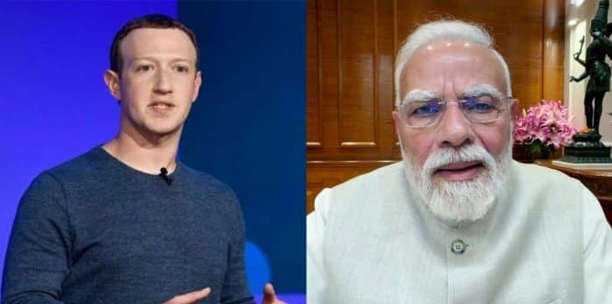
Meta chief executive Mark Zuckerberg’s apology to the Indian government has become a major political and technology story because it centers on the temporary removal of Prime Minister Narendra Modi’s Facebook post and wider concerns about platform moderation. The issue quickly escalated after Indian officials and a parliamentary committee sought a clear apology and explanation from Meta.
The controversy matters because it goes beyond one deleted post. It has opened a bigger debate about social media accountability, content moderation, and how global tech companies respond to Indian regulatory pressure.
What Triggered The Apology
The immediate trigger was the temporary removal of a video message posted by Prime Minister Narendra Modi, which later appeared to be restored. Meta reportedly described the removal as an error and apologized for the incident through senior executives. Government sources also said Zuckerberg later apologized for broader platform issues, including harmful content, deepfakes, and operational mistakes.
According to reports, the apology was conveyed during meetings between Meta executives and Indian officials, including Union Minister Ashwini Vaishnav. The incident gained more attention after a parliamentary panel asked Zuckerberg to issue an unqualified apology within three days.
Why The Government Reacted Strongly
Indian authorities were not just responding to one video being blocked. Reports say officials were also pressing Meta over deeper concerns such as child sexual abuse material, deepfake content, and the company’s content moderation failures. That broader context made the apology more serious than a routine correction.
The parliamentary committee even warned that Meta’s legal immunity under India’s IT rules could be reviewed if the company did not comply. That gave the issue added weight because it linked the apology to possible regulatory consequences.
Meta’s Response
Meta’s response, as reported, was twofold. First, it said the removal of PM Modi’s post was an error and that the content had been restored. Second, its senior leadership reportedly apologized for wider platform errors and addressed concerns raised by Indian officials.
The reports also suggested that Meta acknowledged spending heavily to boost certain types of content, which raised further concern among regulators. That detail added another layer to the discussion about how online platforms manage visibility, influence, and safety.
Political And Tech Impact
This controversy has become important because it highlights the tension between big tech companies and national governments. India is one of Meta’s largest markets, so any dispute involving platform rules, political content, and regulatory compliance has major consequences.
For readers, the main takeaway is that the apology is not only about PM Modi’s video. It reflects a much bigger struggle over who controls online speech, how errors are corrected, and how far governments can push global platforms to follow local law.
The story also shows how quickly digital mistakes can turn into diplomatic or political issues. A single content moderation decision can now trigger headlines, parliamentary scrutiny, and public debate in a matter of hours.
What Happens Next
The next stage will depend on whether Meta’s apology satisfies Indian officials and whether further action is taken by the parliamentary committee. Reports indicate that the company is expected to provide written explanations and continue discussions with the Ministry of Electronics and Information Technology.
If the matter is resolved quietly, the story may fade from headlines. But if regulators keep pushing, it could become an important precedent for how India handles social media companies in the future.
Conclusion
Mark Zuckerberg’s apology to PM Modi has become a major news story because it combines technology, politics, and public accountability. What began as a content moderation error has grown into a larger debate about Meta’s responsibility in India and the limits of platform immunity.
For now, the apology may help cool tensions, but the larger issue is still unresolved. The episode shows that in today’s digital world, one platform mistake can quickly become a national-level controversy.
About The Author