



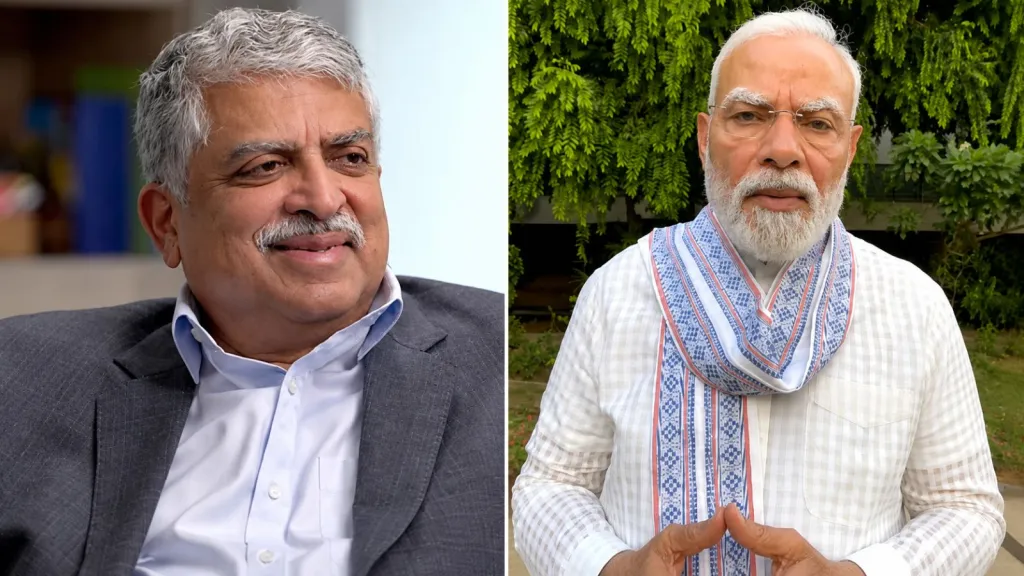
Infosys co-founder Nandan Nilekani is back in the news after Prime Minister Narendra Modi announced that he will lead a high-powered task force on examination reforms in India. The move comes at a time when paper leaks, student protests, and growing concerns about the integrity of public examinations have pushed the issue to the center of national debate.
Nilekani is widely known as one of India’s most influential technology leaders, especially for his role in building Aadhaar and shaping digital public infrastructure. His appointment signals that the government wants a tech-driven and system-level approach to fixing long-standing problems in the examination process.
What the Government Announced
According to recent reports, the task force will examine systemic weaknesses in India’s public examination system and recommend steps to make it more secure and transparent. The panel is expected to study how digital technologies, better safeguards, and operational reforms can reduce the risk of leaks and malpractice.
The announcement followed pressure over repeated exam irregularities and public criticism from students and parents. Along with the task force, the government is also moving toward stricter legal measures, including tougher penalties and faster investigations for organized cheating and paper leaks.
This is an important development because it moves the discussion beyond short-term fixes. Instead of responding to each incident separately, the task force is expected to look at the full system, from exam design to delivery and enforcement.
Why Nilekani Was Chosen
Nandan Nilekani’s track record makes him a natural choice for a reform-heavy assignment. He is best known for leading Aadhaar and for helping build large-scale digital systems that reached millions of people across India.economictimes.
He has also been closely involved in public digital infrastructure and policy-oriented technology work over the years. That background matters because exam reform is not just an education issue; it is also a systems, governance, and technology challenge.
Nilekani has often spoken about the need for inclusive technology and practical public good. His appointment suggests that the government wants someone who understands both execution and scale, especially for a national system that affects millions of students every year.
Market and Business Angle
The latest news about Nilekani comes shortly after another significant update: he stepped down from his general partner role at Fundamentum while remaining its anchor investor. That move shows he is reducing active venture responsibilities even as he stays influential in India’s startup and technology ecosystem.
For businesses and investors, Nilekani’s continued visibility matters because he remains one of India’s most trusted voices on technology, digital transformation, and public systems. His presence in a government-led reform effort can also increase confidence that the task force will be treated seriously and not just as a symbolic announcement.
At the same time, his recent commentary on AI shows he remains engaged with big policy questions beyond exams. He has repeatedly argued that technology should be widely diffused and useful to society, not limited to elite users.
Public Response
The announcement has attracted wide attention because exam reform touches a sensitive issue for Indian families and students. Any move that promises more transparency and fairness is likely to be welcomed, but the real test will be implementation.
People will watch whether the task force produces practical recommendations and whether those recommendations are actually enforced. In India, many reform panels generate reports, but only a few lead to visible change on the ground.
That is why this news is important: it is not just about who has been appointed, but whether the appointment leads to measurable improvement in how exams are conducted.
What Happens Next
The task force is expected to begin work immediately and study the vulnerabilities in India’s examination system. Its recommendations could influence how major public and competitive exams are designed, monitored, and secured in the future.
If the group succeeds, it could become one of the most meaningful education governance reforms in recent years. If it fails, it may be remembered as another high-profile announcement with limited impact.
For now, the big story is that Nandan Nilekani has been brought in for a national reform mission that combines education, technology, and trust. That makes this one of the most significant recent developments around his name.
About The Author


