


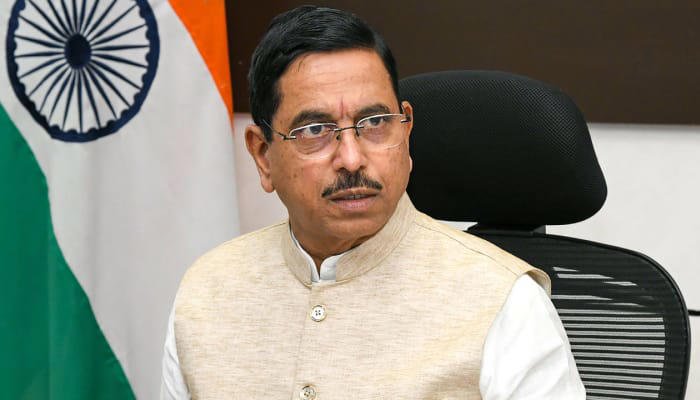
Prahlad Joshi is once again in the headlines today after being given additional charge of India’s Education Ministry. The development came at a sensitive time, following Dharmendra Pradhan’s resignation and the growing public debate around the NEET-UG controversy. This has made Joshi’s new responsibility one of the most discussed political updates of the day.
The change is important because the Education Ministry is not just another department. It directly affects students, schools, universities, competitive exams, and policy decisions that shape the future of millions of young people across India. When leadership changes in such a ministry, it immediately becomes a major national news story.
Joshi’s appointment has therefore attracted attention not only from political observers, but also from students, parents, teachers, and education stakeholders. Many are now watching closely to see what steps the ministry takes next and whether the new charge leads to a stronger response to the current challenges.
What happened today
The latest reports confirm that Prahlad Joshi has been entrusted with the additional charge of the Union Education Ministry after Dharmendra Pradhan stepped down from the role. The decision came amid intense scrutiny over the NEET-UG paper leak issue and related protests, which have pushed education policy into the center of national conversation.
According to reports, Joshi said he would take on the responsibility with humility and a strong sense of duty. That statement matters because it shows the government wants to project steadiness and seriousness at a time when the ministry is under pressure.
This is not a minor administrative reshuffle. Education in India is a highly visible portfolio, and any shift in leadership is examined closely for policy impact, public confidence, and political messaging.
Why this news matters
The reason this story is trending is simple: it combines politics, education, and public concern all in one. The NEET-related controversy has already caused anxiety among students and parents, and the appointment of a new minister adds another layer to the discussion.
For students preparing for competitive exams, the question is whether the ministry will now move faster on transparency, reform, and accountability. For the government, the challenge is to show that it is actively responding to the crisis rather than merely changing names at the top.
This also matters politically because cabinet changes often signal how the ruling party is handling pressure. Choosing an experienced senior leader like Joshi suggests that the government wanted someone familiar with administration and able to manage a difficult portfolio without delay.
Prahlad Joshi’s role in government
Prahlad Joshi is already a well-known Union minister, which is why his new charge has drawn so much attention. He has handled important departments before, and that experience is one reason he was trusted with this additional responsibility.
His political profile also adds weight to the appointment. Joshi is seen as a senior BJP leader with long parliamentary experience, and that kind of background often becomes valuable when a ministry is dealing with a sensitive national issue.
The Education Ministry needs exactly that kind of steady leadership right now. It is expected to manage not only immediate concerns about exams, but also broader questions about reforms, communication, and institutional credibility.
Public reaction and expectations
Public reaction to the news is likely to remain closely tied to what happens next. If the ministry announces clear corrective steps, the appointment may be seen as a stabilizing move. If not, criticism is likely to continue, especially from students and families affected by the ongoing controversy.
There is also a strong expectation that the ministry should improve communication. In moments like this, people do not only want a new name in charge; they want answers, action, and reassurance that the system is being fixed.
That is why Joshi’s role is being watched so closely. His performance in the coming days may shape how people view the government’s overall response to the current education crisis.
What to watch next
The next few days will likely focus on three things: whether Joshi makes any immediate policy remarks, whether the ministry announces new measures, and how the government addresses the ongoing NEET-related concerns.
If the ministry moves quickly, this appointment could help calm the situation. If the response is slow, the story may stay in the headlines for much longer.
For now, the big takeaway is that Prahlad Joshi has become one of the most important names in today’s political news because of his new responsibility and the timing of the change.
About The Author


