



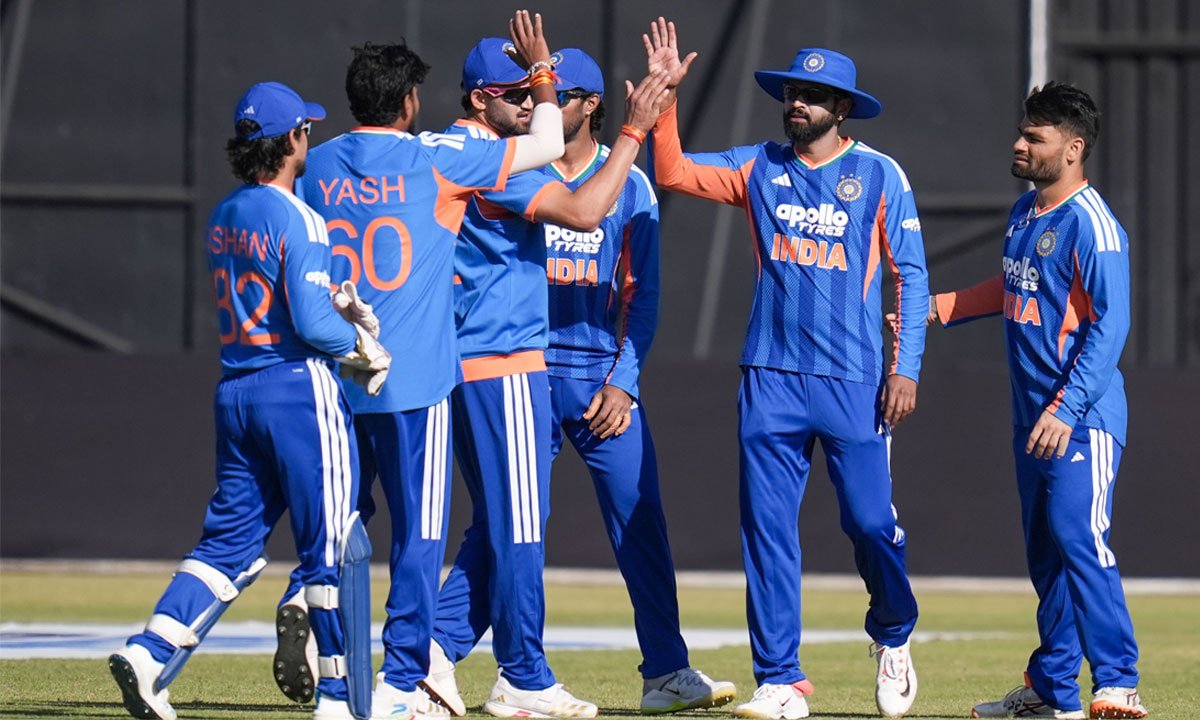
India vs Zimbabwe has produced an engaging cricket story for fans, with India dominating the recent matches while Zimbabwe has shown real fighting spirit. The series has had a mix of big batting performances, disciplined bowling, and moments of resistance that kept the contest interesting from start to finish.
In the first T20I at Harare, India beat Zimbabwe by 7 wickets after Zimbabwe posted 125/7. The chase became memorable because young Vaibhav Sooryavanshi stole the spotlight with a fast 50 off just 19 balls, giving fans another exciting glimpse of India’s growing batting talent.
The second T20I was even more one-sided, with India crushing Zimbabwe by 100 runs to level the series at 1-1. That result showed how quickly momentum can shift in T20 cricket, where one strong batting display or one sharp bowling spell can change everything.
India’s Batting Strength
India’s batting has been the biggest talking point in this series. The team has looked confident in the chase, built pressure on Zimbabwe from the start, and shown the ability to score quickly when needed. Even when wickets have fallen early, India has had enough depth to recover and stay in control.
Young players have stood out, especially with strong batting performances. Vaibhav Sooryavanshi’s explosive half-century in the first T20I made headlines because of both his age and the speed of his innings. Performances like this matter because they give India fresh options for the future and keep the team’s bench strength strong.
The batting unit has also shown excellent balance. Senior players and new faces have both contributed, which is a positive sign for India in a busy cricket calendar. For a team that is always looking ahead, these matches are useful in identifying who can handle pressure at the international level.
Zimbabwe’s Effort and Learning
Zimbabwe has not been able to match India’s consistency, but the team has shown fighting spirit throughout the series. In the first T20I, Zimbabwe managed 125/7, with useful contributions from a few middle-order players. While that total was not enough, it showed that the side can still compete in phases of the game.
Zimbabwe has shown fighting spirit, but has struggled to finish strongly. That has been the main issue for the team in recent matches. The players have had moments of promise, but turning those moments into complete performances has been difficult against a strong Indian side.
Still, Zimbabwe’s presence in the series matters. Playing against a top team gives the squad valuable match experience and helps players understand the level required to compete at the highest stage. These games are not just about results; they are also about growth, confidence, and learning under pressure.
Bowling That Changed the Game
India’s bowling attack has helped control the game in key moments. The bowlers have done an excellent job of taking wickets at the right time and keeping Zimbabwe from settling into a rhythm. In T20 cricket, that is often the difference between a competitive total and a one-sided match.
In the first game, India’s pace attack restricted Zimbabwe to a modest score, which allowed the batters to chase comfortably. In the second match, the bowlers backed up the batting effort and helped India secure a massive 100-run win. That kind of team balance is exactly what coaches want to see in a short-format series.
India’s ability to combine strong batting with disciplined bowling has made the team look much more complete. It also gives selectors a chance to test combinations and understand which players fit best in different match situations.
What the Series Means
The series is useful for India to test new talent and build team depth. With several young players making an impact, India can take away positives beyond just the match results. These kinds of games help the team prepare for bigger tournaments and tougher opposition ahead.
For Zimbabwe, the series is valuable for different reasons. Zimbabwe benefits from playing against a top team and gaining match experience. Facing a side like India exposes players to higher standards of speed, skill, and pressure, which can only help the team improve in the long run.
Overall, India vs Zimbabwe has given fans a clear picture of a strong team testing its future options while a determined opponent continues to learn and compete. India has been dominant in the recent matches against Zimbabwe, but Zimbabwe’s effort has kept the series meaningful and worth following.
About The Author


