



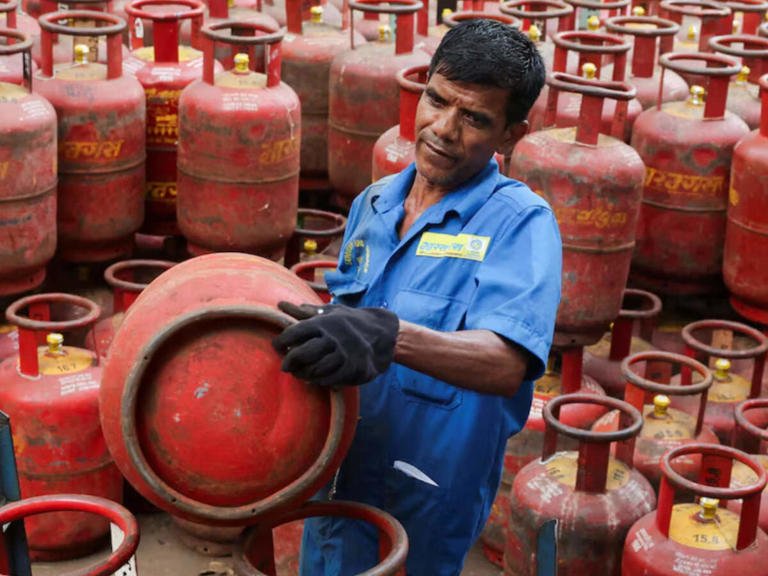
If you run a restaurant, hotel, catering service, or any business that depends on LPG, there’s good news: commercial cylinder prices have finally started to fall after months of steep hikes.
What Changed: First Price Cut of 2026
From 1 July 2026, oil marketing companies slashed the price of the 19‑kg commercial LPG cylinder—the first reduction this year.
- The cut ranges from ₹173 to ₹184 per cylinder across major cities.energy.economictimes.
- In Delhi, the price dropped by ₹183.50, from ₹3,113.50 to ₹2,930 per 19‑kg cylinder.
- Similar reductions were seen in Mumbai, Kolkata, Bengaluru, Hyderabad, Jaipur, Chandigarh, and Patna, with city‑wise cuts between ₹174 and ₹184.
This is the first time in 2026 that commercial LPG has become cheaper, after a series of four increases since March that had pushed prices up by over ₹1,300 per cylinder in many places.
Why Prices Are Falling Now
The drop is linked to improving global conditions:
- Easing tensions in West Asia, including a de‑escalation in the Iran–Israel conflict, have softened international crude and LPG prices.
- With supply risks receding, Indian oil marketing companies have passed on some of the relief to commercial users.
Domestic cylinder prices, however, have remained unchanged, as the government continues to shield households from full market volatility.
City‑Wise Snapshot (19‑kg Commercial Cylinder)
Approximate new prices after the 1 July cut:
- Delhi / Noida: ₹3,113.50 → ₹2,930 (–₹183.50)
- Mumbai: ₹3,067.50 → ₹2,885.50 (–₹182)
- Kolkata: ₹3,255.50 → ₹3,081.50 (–₹174)
- Bengaluru: ₹3,198.50 → ₹3,021 (–₹177.50)
- Hyderabad: ₹3,367.50 → ₹3,191 (–₹176.50)
- Jaipur: ₹3,141.50 → ₹2,957.50 (–₹184, the biggest cut)
- Chandigarh: ₹3,136 → ₹2,954.50 (–₹181.50)
- Patna: Reduced by ₹173, now around ₹3,227.
Another round of cuts was reported from 1 August, with Delhi’s commercial cylinder price falling further to around ₹2,728, and similar reductions in Kolkata and Hyderabad, offering additional relief to businesses.
What This Means for Your Business
For commercial users, even a ₹180–₹200 drop per cylinder adds up quickly:
- A small restaurant using 30 cylinders a month saves roughly ₹5,400–₹6,000 monthly.
- A mid‑size hotel or canteen using 100 cylinders can save ₹18,000–₹20,000 a month.
- Over a year, this translates into lakhs of rupees in reduced operating costs for larger chains.
This breathing room can help:
- Offset rising costs of vegetables, dairy, wages, and packaging.
- Improve cash flow for small eateries and street‑food vendors operating on thin margins.
- Reduce pressure to raise menu prices, which can help retain customers in a competitive market.
Domestic vs Commercial: Why Only One Fell
You may have noticed that domestic 14.2‑kg LPG prices stayed the same while commercial rates were cut.
- Domestic LPG is heavily subsidized and politically sensitive; governments often delay or smooth out price changes to protect households.
- Commercial LPG is priced closer to market rates, so it reacts faster to changes in global crude and LPG prices.
As a result, businesses tend to see price cuts (and hikes) earlier and more sharply than home users.
What to Watch Next
- Global oil and LPG trends: If West Asia tensions remain contained and crude prices stay soft, further modest cuts are possible.
- Policy decisions: Any change in subsidy policy or taxation can quickly alter both domestic and commercial cylinder economics.
- Seasonal demand: Peak cooking and festival seasons can tighten supply and influence pricing decisions by oil marketing companies.
Bottom Line
After a painful run of price hikes driven by the West Asia crisis and the Iran–Israel conflict, the drop in commercial LPG prices is a clear relief signal for India’s food and hospitality sector. For business owners, the message is simple: track your monthly cylinder usage, factor in these lower costs in your budgeting, and use the savings to stabilize margins or invest in growth—while staying alert to the next round of global and policy moves.
About The Author