



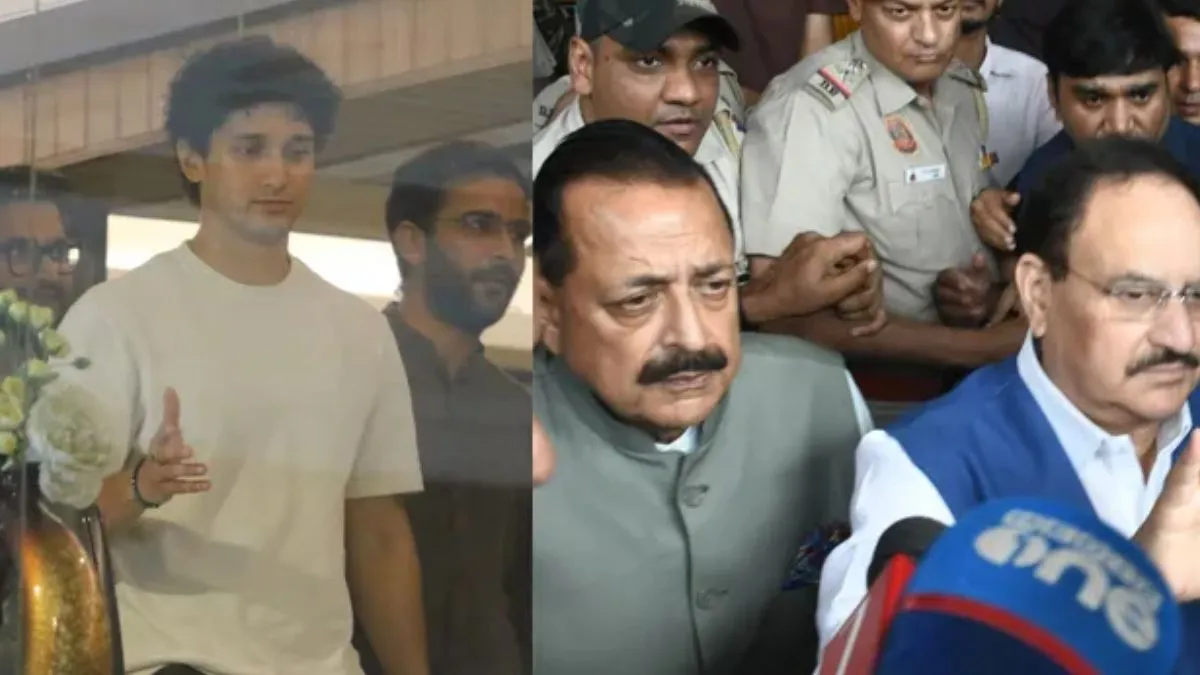
India’s Union Education Minister Dharmendra Pradhan has resigned after weeks of mounting pressure from student protests and opposition demands over exam irregularities and the NEET-UG paper leak controversy. His resignation has become one of the most talked-about political developments of the day, not only because of its immediate political impact but also because it highlights the growing public anger over the credibility of India’s examination system.
The resignation marks a major turning point in a controversy that began with allegations of paper leaks, technical irregularities, and administrative failures in national-level entrance exams. For many students and parents, the issue is bigger than one minister. It reflects deep concerns about fairness, transparency, and accountability in the education system.
What Led to the Resignation
The pressure on Dharmendra Pradhan had been building for weeks. Student groups, particularly those involved in the anti-NEET protests, made his resignation a central and non-negotiable demand. Protesters argued that the controversy surrounding the NEET-UG examination had damaged the trust of lakhs of aspirants who had spent years preparing for one of India’s most competitive entrance tests.
Reports showed that the protests spread across Delhi and other parts of the country, with young people demanding action against those responsible for the alleged leak and examination mishandling. The issue also drew political attention, with opposition voices and student organizations increasing pressure on the government to respond decisively. Over time, the demand was no longer limited to investigation alone; it became a call for accountability at the top.
The NEET Paper Leak Controversy
At the center of the crisis was the alleged NEET-UG paper leak, which triggered widespread anger among students and their families. NEET is one of the most important entrance examinations in India, and any suspicion of leakage or malpractice immediately affects the confidence of millions of aspirants. Once the allegations surfaced, protests intensified, and the issue quickly moved beyond the education sector into the political arena.
Several student organizations demanded a complete overhaul of the testing framework, while some called for stronger investigation and tighter security mechanisms. The controversy also raised questions about the role and reliability of the National Testing Agency, with critics arguing that repeated lapses had created a crisis of credibility. As a result, the resignation of the education minister came to be seen by many protesters as a symbolic but important first step.
Government Response
Before the resignation, the government had already faced growing difficulty in managing the situation. Meetings were held between ministers and protest representatives, but the talks did not resolve the core demand for Pradhan’s resignation. According to several reports, the Centre initially resisted the demand, but the pressure continued to rise as the protests gained momentum.
By July 25, reports confirmed that Dharmendra Pradhan had submitted his resignation to Prime Minister Narendra Modi. For the government, this move may help reduce immediate public anger and create space for damage control. But it also places the administration under stronger scrutiny, because resignation alone will not answer the larger questions about how such a serious exam controversy was allowed to happen.
Political Significance
Pradhan’s resignation is important not just as a ministerial exit, but as a political signal. It shows how student unrest, when backed by a strong public narrative, can force major political decisions. The issue has also become a test of governance, especially for a government that has often projected education reform and institutional efficiency as priorities.
The resignation could have several political effects. First, it may temporarily cool the protests by showing that the government is willing to accept responsibility. Second, it may intensify demands for broader reform, including changes in how national examinations are conducted and monitored. Third, it may trigger further political debate about accountability in public institutions, especially when thousands of students feel their futures were put at risk.
Impact on Students
For students, this controversy has been emotionally exhausting. Many of them have spent years preparing for NEET and other competitive exams, often under enormous pressure from families, teachers, and society. When allegations of paper leaks appear, the result is not just anger but deep disappointment, because it raises doubts about whether merit and hard work truly matter.
That is why the resignation has been welcomed by many protesters as a moral victory. Still, students are likely to judge the government by what happens next, not just by the resignation itself. If investigations are transparent and reforms are meaningful, trust may slowly be rebuilt. If not, the controversy may deepen into a broader crisis of confidence in India’s examination system.
What Happens Next
The next stage will depend on how the government handles the inquiry, the exam process, and the calls for reform. Public pressure is likely to remain high until clear action is taken against the people responsible for the leak and until stronger safeguards are introduced. Student groups will also closely watch whether the government follows through with structural changes rather than offering only temporary relief.
There is also likely to be further political debate over whether the resignation was enough or whether more heads should roll. For now, Pradhan’s departure has become a symbol of accountability in the face of public protest. Whether it becomes a turning point for education reforms in India will depend on the seriousness of the response that follows.
Conclusion
Dharmendra Pradhan’s resignation is a major development in a controversy that has shaken students, parents, and the education system. It reflects the power of public protest and the seriousness of the allegations surrounding the NEET-UG paper leak. More importantly, it places a responsibility on the government to go beyond symbolic action and restore trust through real reforms.
In the end, this is not only about one minister stepping down. It is about whether India’s exam system can be made more transparent, secure, and fair for millions of young aspirants who depend on it for their future.
About The Author


