



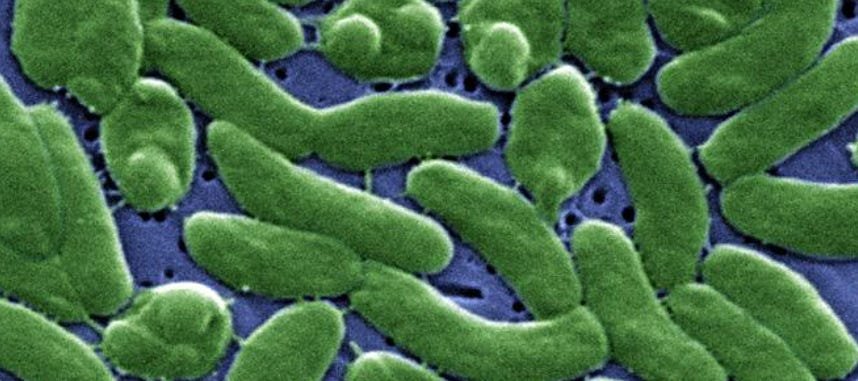
Louisiana health officials are warning residents about a rise in severe Vibrio vulnificus infections after nine cases and five deaths were reported in the state in 2026. All nine patients required hospitalization, and officials said the reported infections were linked to wounds exposed to seawater.
What happened in Louisiana?
The Louisiana Department of Health issued a public health warning on August 6 after recording an unusual increase in serious Vibrio vulnificus infections. Five of the nine reported patients have died, while the remaining four were hospitalized.
The current figures are higher than the average recorded during the same period in previous years, when Louisiana reported approximately seven cases and one death annually. Officials said all nine patients had underlying health conditions that may have increased their risk of severe illness.
What is Vibrio vulnificus?
Vibrio vulnificus is a bacteria that occurs naturally in warm coastal and brackish water. Its numbers generally increase between May and October as water temperatures rise.
People can become infected when an open cut, wound or recent piercing comes into contact with contaminated seawater. Infection can also occur after eating raw or undercooked shellfish, particularly oysters.
Despite being described in some reports as a “flesh-eating” bacteria, Vibrio vulnificus infections remain relatively uncommon. However, they can progress rapidly and cause serious wound infections, bloodstream infections and tissue destruction.
Symptoms to watch for
Symptoms may develop after exposure to contaminated water or seafood and can include:
- Redness, swelling, warmth or severe pain around a wound.
- Skin discoloration, blisters or rapidly worsening tissue damage.
- Fever, chills, nausea, vomiting or diarrhea.
- Abdominal pain or weakness.
- Dizziness, low blood pressure or other signs of bloodstream infection.
Health authorities say people should seek medical attention immediately if a seawater-exposed wound becomes red, swollen, painful, warm or discolored. Patients should clearly inform healthcare providers about their exposure to seawater or raw seafood.
Who faces the greatest risk?
Severe illness is more likely among people with certain underlying health conditions, including:
- Liver disease or cirrhosis.
- Diabetes.
- Kidney disease.
- Cancer.
- Weakened immune systems.
- Conditions requiring immune-suppressing medicines.
According to health officials, approximately one in five people with a Vibrio vulnificus infection dies, sometimes within just a day or two after symptoms become severe. Some patients may require intensive care, surgery or limb amputation.
Louisiana safety advice
Residents and visitors can reduce their risk by following these precautions:
- Avoid seawater, saltwater and brackish water when you have an open wound.
- Cover minor cuts completely with a waterproof bandage before visiting coastal areas.
- Wash wounds thoroughly with soap and clean water after possible exposure.
- Wear protective footwear and gloves when handling raw seafood.
- Cook oysters and other shellfish thoroughly.
- Keep cooked seafood separate from raw seafood and its juices.
- Do not eat raw or undercooked oysters, especially if you have a high-risk medical condition.
Why the warning matters
Warm coastal water creates favorable conditions for Vibrio bacteria, making summer and early autumn particularly important periods for prevention. The Louisiana cases show that a seemingly minor wound can become dangerous when exposed to seawater, especially in people with existing health problems.
The risk is not limited to beaches. Fishing, boating, swimming, crabbing, seafood preparation and handling oysters can all create opportunities for exposure. Anyone who develops a rapidly worsening wound or severe illness after coastal-water contact should treat it as a medical emergency.
Frequently asked questions
Is Vibrio vulnificus contagious?
The infection is generally acquired through contaminated water, wounds or seafood rather than casual person-to-person contact. The main concern is direct exposure to seawater or undercooked shellfish.
Can healthy people get infected?
Yes. However, people with liver disease, diabetes, kidney disease, cancer or weakened immunity face a higher risk of serious complications.
Should people stop eating seafood?
Health officials advise avoiding raw or undercooked shellfish, particularly oysters. Proper cooking can reduce the risk, but raw oysters can carry harmful bacteria even when they look, smell and taste normal.
When should someone see a doctor?
Seek urgent medical care if a wound exposed to saltwater or brackish water becomes painful, red, swollen, warm or discolored. Fever, weakness, vomiting or rapidly spreading skin changes require immediate attention.
About The Author


