



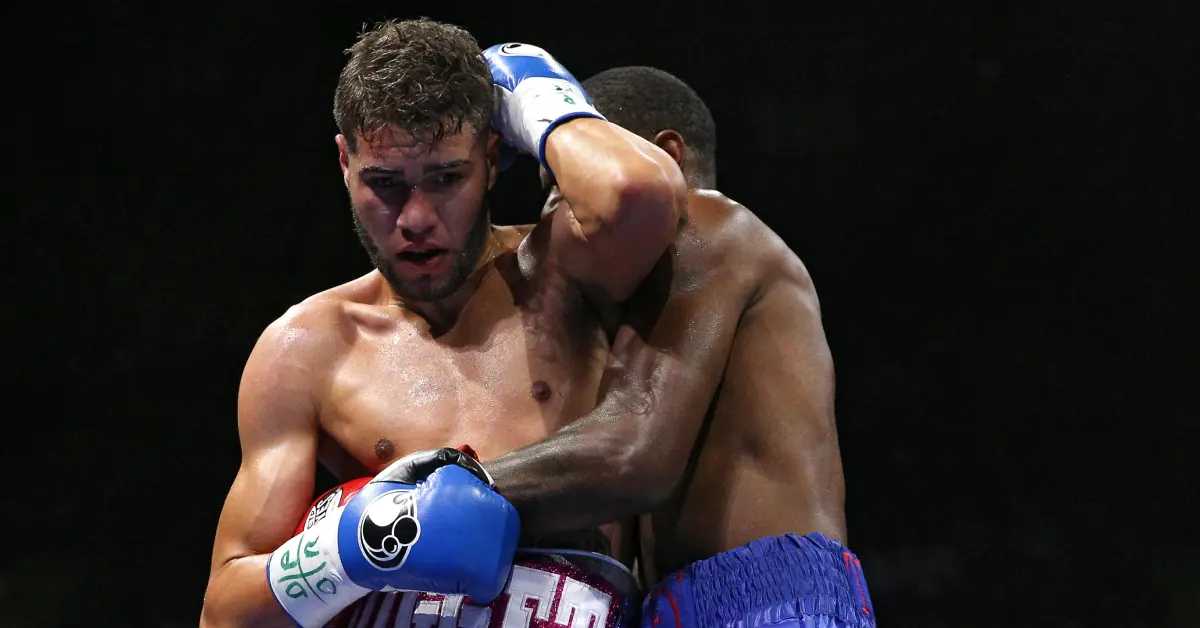
Prichard Colón, the Puerto Rican boxer whose promising career was cut short by a devastating 2015 brain injury, has died at the age of 33. His death closes one of boxing’s most heartbreaking stories, turning renewed attention toward the long-term dangers fighters can face after severe head trauma. Colón was once an undefeated prospect with real championship potential, but he became known around the world for the injury that changed his life forever.
Prichard Colón Dies at 33 After Boxing Injury
News of Colón’s death was reported on August 13 and 14, 2026, with multiple outlets confirming that he passed away nearly 11 years after suffering the injury that ended his career. He was only 33, yet his story had already become a symbol of the hidden cost of professional boxing. For many fans, his name now represents both talent and tragedy, a reminder that one night in the ring can alter everything.
Colón had built an impressive early record and was considered one of Puerto Rico’s rising boxing talents. His unbeaten start reflected speed, discipline, and the promise of a fighter who could have gone much further in the sport. Before the injury, he was viewed as a legitimate prospect with the ability to compete at a high level. That makes the tragedy even harder to absorb, because so much potential was still ahead of him.
The Fight That Changed Everything
The turning point came on October 17, 2015, when Colón fought Terrel Williams in Fairfax, Virginia. During the bout, he sustained repeated blows, including punches to the back of the head, before collapsing after the fight. He was rushed to the hospital and underwent emergency surgery after doctors discovered severe brain trauma and dangerous pressure on his brain. What should have been another step in a promising career instead became the beginning of a long and painful medical ordeal.
Colón spent 221 days in a coma, a staggering period that showed just how serious the damage had been. When he woke, his life had been permanently changed, and he needed ongoing care from his family. He never returned to boxing, and he never regained the independent future that once seemed within reach. His story became a sobering example of how quickly the sport can move from competition to catastrophe.
Family, Recovery, and Public Attention
For years after the fight, Colón’s family stood beside him and kept his story in the public eye. His father, in particular, became a voice for the emotional and physical toll caused by the injury. Their care and devotion turned Colón into a symbol of endurance, even as his condition reflected the harsh reality of severe neurological damage. The family’s struggle also helped people understand that the aftermath of boxing injuries can last far longer than the bout itself.
His death has sparked another wave of reflection about boxer safety and medical protection in combat sports. The questions raised by his case are still important: how should referees respond when a fighter is absorbing too much punishment, and what more can be done to protect athletes from life-altering head injuries? Colón’s story is now part of the larger conversation about responsibility inside the ring.
Legacy Of A Fighter
Prichard Colón will be remembered not only for the promise he showed, but also for the way his story changed the boxing conversation. He was a young athlete with an undefeated record, a growing profile, and a future that looked bright before the injury. Instead, his name became tied to one of the sport’s most painful cautionary tales. That legacy will likely stay with boxing fans for year.
His life also underscores a truth that often gets overlooked in sports coverage: fighters are not just competitors, they are people with families, futures, and dreams. Colón’s story is tragic because it was so avoidable in its consequences and so devastating in its aftermath. Even after his death, his journey continues to remind the sports world that glory in the ring comes with very real risks.
Prichard Colón’s passing is a heartbreaking end to a story that should never have taken this turn. He leaves behind a lasting warning about the dangers of combat sports and the importance of protecting fighters before it is too late.
- Meta title: Prichard Colón Dies at 33 After Career-Ending Boxing Injury
- Meta description: Former boxer Prichard Colón dies at 33, nearly 11 years after a devastating brain injury ended his career and changed boxing forever.
- URL slug: prichard-colon-dies-at-33-boxing-injury
- Focus keyword: Prichard Colón dies at 33
- Suggested tags: Prichard Colón, boxing news, boxer death, career-ending injury, Puerto Rican boxer, sports tragedy
About The Author


