



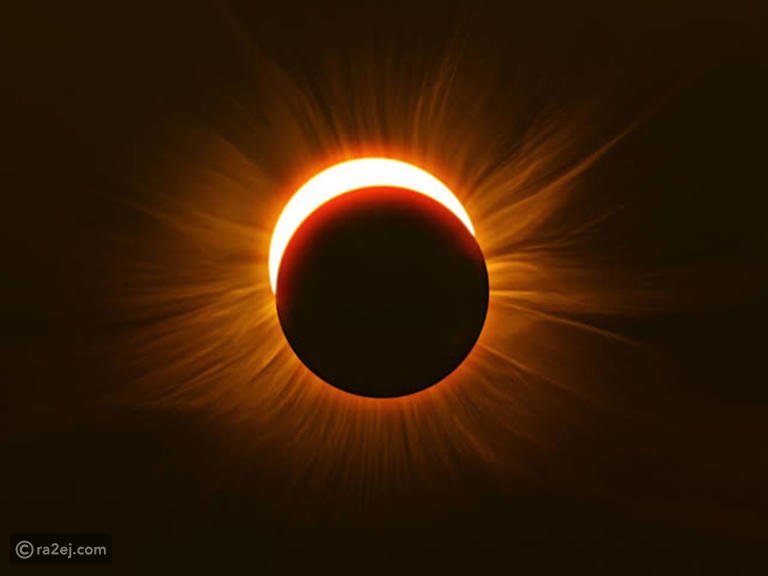
The solar eclipse on August 12, 2026, is one of the biggest skywatching events of the year, drawing attention from astronomy fans, casual observers, and newsrooms around the world. This is the only total solar eclipse of 2026, and it is visible across a narrow path that stretches through Greenland, Iceland, northern Spain, and a small corner of Portugal, while a much wider region will see a partial eclipse.
The event is also significant because it marks the first total solar eclipse visible from mainland Europe since 1999, making it especially memorable for viewers in Spain and nearby countries.
What Makes This Eclipse Special
A total solar eclipse happens when the Moon moves directly between Earth and the Sun, blocking the Sun completely for observers in the path of totality. During totality, the sky darkens dramatically, the temperature can drop slightly, and the Sun’s outer atmosphere, or corona, becomes visible to the naked eye for a short time.
For many skywatchers, this is the kind of moment that turns science into a once-in-a-lifetime experience. The August 12 eclipse is especially notable because it crosses populated areas in Europe, giving millions of people a rare chance to witness totality or at least a deep partial eclipse.
Where the Eclipse Can Be Seen
According to NASA and multiple live coverage reports, the path of totality passes through Greenland, Iceland, northern Russia, Spain, and a small part of Portugal. In Spain, places like León, Burgos, Valladolid, Santander, Bilbao, Zaragoza, Valencia, and Palma are among the locations expected to experience totality.
A partial eclipse is visible across much of Europe, parts of northwestern Africa, Canada, and parts of the northern United States. In the United States, only a partial eclipse is expected, with visibility in some parts of the Northeast, Midwest, and Alaska. India does not get a view of this eclipse because the event occurs well past midnight IST.
Timings And Duration
The eclipse begins at about 11:34 a.m. ET and reaches maximum eclipse around 1:46 p.m. ET for viewers following U.S. timing reports. NASA’s published data also notes that the first location to see the partial eclipse begin is around 15:34 GMT, with maximum eclipse at approximately 17:46 GMT.
The longest totality along the path is about 2 minutes and 18 seconds, with the best duration occurring off the west coast of Iceland. In Spain, the peak totality in several cities is expected in the evening, with Madrid coming very close at 99 percent obscuration but missing full totality by a small margin.
Safe Viewing Tips
It is important to remember that solar eclipses must be viewed safely. Looking directly at the Sun without proper eclipse glasses can seriously damage your eyes, even during a partial eclipse. Regular sunglasses are not safe for eclipse viewing, and camera lenses, binoculars, and telescopes should only be used with proper solar filters.
The safest way to watch is with certified eclipse glasses or through an indirect viewing method such as a pinhole projector. If you are in a region outside the path of totality, it is still worth watching the partial phases carefully and safely.
Why People Are Excited Today
Beyond the science, today’s eclipse has created major public interest because it is rare, dramatic, and widely visible across parts of the Northern Hemisphere. Social media has also amplified the buzz, with many people sharing eclipse maps, timing charts, and live stream links.
For astronomy lovers, this is not just another sky event. It is a reminder of how precise and predictable celestial mechanics can be, and how a few minutes of darkness can bring millions of people together in shared wonder.
Final Word
The August 12 solar eclipse is one of 2026’s most important astronomical events, especially for viewers in Greenland, Iceland, Spain, and Portugal. Whether you can see the total eclipse, a partial eclipse, or only follow along online, today offers a powerful moment to look up and appreciate the sky.
About The Author