



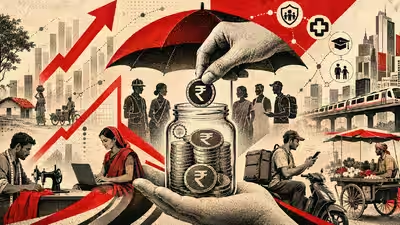
A New Retirement Safety Net for More Workers
The proposed Universal Provident Fund Scheme could expand India’s retirement savings system beyond formal sector employees to include gig workers, self-employed people, and workers in the unorganised sector. Reports say the idea is still under discussion, but it is being seen as a major step toward wider social security coverage.
What the scheme aims to do
Right now, provident fund benefits are mainly available to workers in the organised sector through the EPFO system. The Universal Provident Fund Scheme is expected to open the door for freelancers, delivery workers, small shop owners, and other self-employed people to save for retirement in a structured way.
The basic idea is simple: people who do not have a traditional employer-based PF account may still be able to contribute voluntarily and build a retirement corpus over time. That could make long-term savings easier for millions of workers who currently depend only on informal savings methods.
Why it matters
India’s workforce has a large informal segment, and many workers do not get retirement benefits, employer pension support, or steady monthly savings deductions. A universal PF model could help close that gap by creating a formal savings path for people with irregular income.
If designed well, the scheme could also improve financial discipline, reduce old-age insecurity, and bring more workers into the social security net. For gig workers and small traders, even small monthly contributions can become meaningful over time if the scheme is easy to join and simple to manage.
How it may work
Based on current reports, the proposed system may allow eligible people to contribute voluntarily rather than through a compulsory employer-linked structure. The EPFO is also reportedly exploring broader reforms through the EPFO 3.0 direction, which focuses on digital access, wider coverage, and easier fund management.
A practical version of the scheme would likely need:
- Easy enrollment through Aadhaar-linked identity.
- Flexible monthly contribution options.
- Simple withdrawal rules for emergencies.
- A transparent interest mechanism.
- Strong digital support for workers with limited paperwork.
Possible benefits and concerns
The biggest benefit is inclusion. Workers outside the formal economy could finally get access to a retirement savings framework similar to PF benefits enjoyed by salaried employees.
But there are also challenges. Since many gig and self-employed workers have uneven income, the scheme would need flexible contribution rules so people do not drop out. It would also need clear rules on withdrawals, taxation, and portability across jobs and platforms.
Who could benefit most
The scheme may be especially useful for:
- Gig workers.
- Freelancers.
- Street vendors.
- Small business owners.
- Shopkeepers.
- Self-employed professionals.
- Workers in the unorganised sector.
For these groups, the main attraction is not just savings, but access to a retirement system that feels formal, secure, and portable. That makes it a potentially important policy change if the government moves ahead with it.
About The Author


