



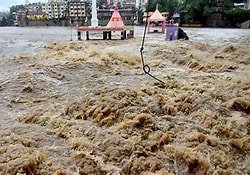
The Godavari River has swollen again after heavy rainfall, causing flood-like conditions in Nashik and nearby low-lying areas. Reports say water has entered temple zones near Ramkund and Godaghat, while officials have shifted residents from flood-prone neighborhoods to safer places.
The Godavari River is one of India’s most important rivers, but during the monsoon it can rise quickly and create serious flooding risks. In the latest situation, continuous rain and increased water release from upstream sources have pushed the river level up sharply in Nashik, creating concern for residents, pilgrims, and local authorities.
Why the Flood Happened
The main reason behind the flooding is sustained heavy rainfall in Nashik and surrounding catchment areas. According to recent reports, the river has also risen because of water discharge from dams, which added to the already high flow in the Godavari.
This combination of rainwater runoff and controlled release from upstream structures often makes river levels rise very fast. When that happens, the first places to get affected are usually riverbank settlements, temple areas, roads near the river, and low-lying residential zones.
Areas Affected
In Nashik, the swelling Godavari has submerged several small temples near Ramkund and Godaghat. Reports also say that the river level rose close to the iconic Dutondya Maruti idol, which is widely used as a traditional flood marker in the city.
Waterlogging, traffic congestion, and power cuts have been reported in several parts of the city. Authorities have also warned people living near the Godavari and nearby rivers to stay alert and move valuables and livestock to safer locations if needed.
Official Response
The local administration has taken precautionary steps by relocating people from flood-prone areas. In one report, around 200 residents were shifted to safer locations after the river level rose sharply.
Officials have also asked the public to avoid riverbanks, follow alerts, and remain ready for further evacuation if the water rises again. These measures are important because flood situations can worsen quickly during continuous rain.
Safety Advice During Floods
- Stay away from riverbanks, submerged roads, and flooded temple areas.
- Follow local administration and weather alerts closely.
- Do not try to walk or drive through moving water.
- Keep essential documents, medicines, and phone chargers ready.
- Move elderly family members, children, and livestock to safer places early.
Final Thoughts
The current Godavari River flood shows how quickly monsoon rainfall can disrupt daily life in Nashik and nearby regions. While the situation is being managed by local authorities, residents should stay cautious until water levels return to normal.
The flood also highlights the need for better preparedness in riverfront areas, especially during peak monsoon weeks. For people living near the Godavari, staying alert and acting early is the safest response.
About The Author


