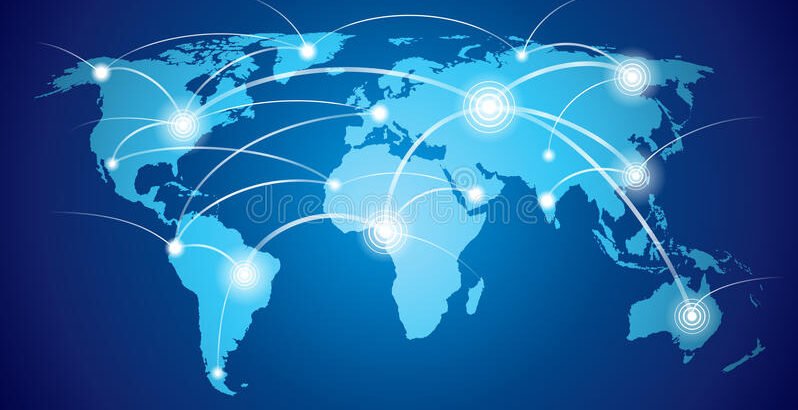



The United States has launched a new wave of double-digit tariffs on dozens of countries, bringing fresh pressure to global trade. The move affects roughly 60 trading partners and comes just as temporary 10% levies expire, making this one of the most significant tariff resets in recent months.
Introduction
Trade policy is once again in the spotlight as the U.S. moves to impose new import duties on a wide range of foreign goods. According to recent reports, the tariffs are set between 10% and 12.5% and are being justified by Washington on the grounds that many countries have not done enough to stop forced-labor-linked products from entering supply chains.
This decision matters because the affected countries account for a very large share of U.S. imports, meaning the ripple effects could spread quickly across shipping, manufacturing, retail, and consumer prices.
What the U.S. Announced
The new tariff wave replaces a temporary 10% global duty that was due to expire, and it is being implemented under Section 301 of the Trade Act of 1974. Reports say the policy is now aimed at 60 countries, including major trade partners such as the United Kingdom, the European Union, Canada, Japan, China, and India.
The administration says the tariffs are part of a broader effort to combat unfair trade practices and improve enforcement against forced-labor-linked goods. At the same time, officials have signaled that more tariff investigations may follow, especially in sectors where U.S. industries argue they face competition from cheaper imports.
Why It Matters
Tariffs of this size can quickly raise costs for businesses that depend on imported materials and finished goods. In practice, that often means higher prices for manufacturers, retailers, and eventually consumers if companies pass the costs along.
The move could also trigger retaliatory measures from affected countries, especially if governments view the tariffs as politically motivated or economically disruptive. That increases the risk of a wider trade conflict at a time when supply chains are still adjusting to inflation, logistics delays, and shifting production hubs.
Global Trade Impact
The biggest concern is that tariffs on this scale can change how goods move around the world. Some countries may respond by rerouting exports to alternative markets, while others may accelerate trade deals with regional partners to reduce dependence on the U.S. market.
The United Nations has warned in the past that major U.S. tariff moves can reduce global trade and create longer-term shifts in commercial flows. Even when trade does not collapse, uncertainty alone can make companies delay investment, change sourcing plans, and raise prices.
Market Reaction and Outlook
Markets usually respond quickly to new tariff headlines because trade policy affects both earnings and inflation expectations. Sectors such as shipping, electronics, consumer goods, industrial manufacturing, and agriculture are especially sensitive when tariff rates rise across so many countries at once.
The next major question is whether this becomes a short-term bargaining tool or the start of a longer tariff regime. If more Section 301 actions follow, the current wave could be only the beginning of a much broader restructuring of U.S. trade relationships.
Conclusion
The latest U.S. tariff action is more than a trade announcement; it is a policy move with global consequences. By targeting dozens of countries with new duties, Washington is raising the stakes for businesses, consumers, and governments around the world.
For now, the key story is uncertainty. Until affected countries respond and businesses adjust, the new tariff wave is likely to remain one of the most important global economic news stories of the moment.The United States has launched a new wave of double-digit tariffs on dozens of trading partners, with rates reported at 10% to 12.5% on imports from about 60 countries. The move replaces temporary levies as part of a broader effort to reshape U.S. trade policy and target supply chains linked to forced labor concerns.
About The Author


