



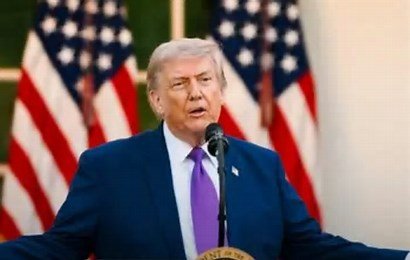
Donald Trump has sharply criticized Chevron CEO Mike Wirth and renewed his demand that U.S. fuel prices be lowered immediately. The remark adds another layer to the ongoing political pressure on oil companies as Americans continue to feel the impact of high gasoline prices. In his comments, Trump argued that oil companies have benefited from his administration’s support and should do more to cut costs for consumers. He also said Chevron and other energy firms should bring retail fuel prices down “NOW,” turning a corporate interview into a broader attack on the industry.
Why The Comment Matters
This episode matters because it shows how gasoline prices remain a politically sensitive issue in the U.S. Fuel costs affect everyday consumers directly, so any rise or slowdown in price relief can quickly become a national talking point.
Trump’s criticism also reflects the tension between political messaging and market reality. Oil prices, refinery costs, distribution expenses, and time lags all influence what drivers actually pay at the pump, which means retail fuel prices do not always move immediately when crude prices change.
Chevron In The Spotlight
Chevron has become a target in this latest round of pressure because of its size, visibility, and recent performance. Trump specifically took issue with Wirth’s public remarks, saying the company had not given enough credit to his administration for supporting the oil sector.
The president also pointed to Chevron’s return to Venezuela as part of his criticism, suggesting the company is positioned to make substantial profits. That framing turns a business issue into a political one, putting Chevron at the center of a wider debate over profits, energy policy, and consumer costs.
What It Means For Consumers
For drivers, the headline taps into a familiar concern: why gas prices do not always fall as quickly as expected. Even when oil markets ease, consumers often wait before seeing meaningful relief at the pump because pricing changes move through a chain of costs and adjustments.
Trump’s demand may resonate with households that are frustrated by fuel bills, but immediate cuts are not guaranteed simply because of political pressure. The market, supply conditions, and refining economics all play a role in how fast prices can change.
Bigger Political Picture
The latest remarks also fit into Trump’s broader approach to energy and inflation politics. By publicly pressing major oil companies, he is signaling that he expects the industry to respond to consumer concerns, not just shareholder expectations.
That strategy can be politically effective because gas prices are easy for voters to notice and easy to link to broader economic sentiment. But it also creates friction with companies that argue pricing depends on complex market conditions rather than direct corporate choice alone.
Final Take
Trump’s attack on Chevron is more than a one-day headline; it is part of a larger fight over who should be blamed — or credited — for what Americans pay at the pump. The message is clear: he wants oil companies to move faster, lower prices, and acknowledge his administration’s role in supporting the sector.
For now, the real test is whether this pressure changes anything for consumers in the near term. The political message is loud, but the path from statement to cheaper fuel is usually much slower.
About The Author


