



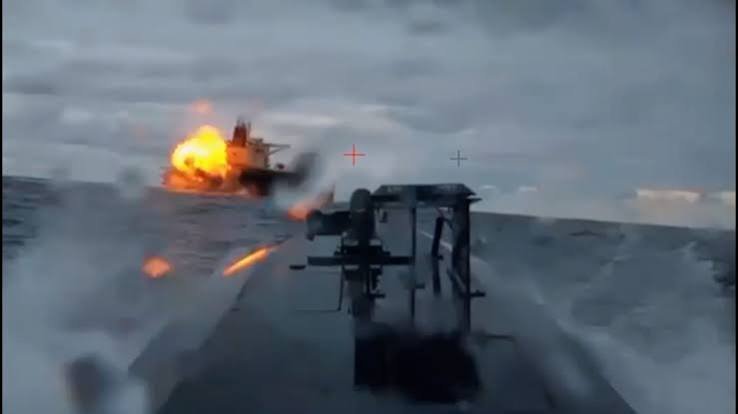
Ukraine War: Drone Strikes Hit Russian Ships and Tankers in the Black Sea, Disrupting Supply Routes
The ongoing war between Russia and Ukraine has entered yet another critical phase, with Ukrainian forces intensifying their use of drone warfare to target Russian shipping in the Black Sea. Recent reports confirm that multiple Russian ships and fuel tankers were struck by Ukrainian drones, causing significant disruption to supply routes that Moscow relies on for both military logistics and economic trade. This escalation underscores the evolving nature of the conflict, where traditional battlefield engagements are increasingly supplemented by advanced technology and asymmetric tactics.
Background of the Black Sea Conflict
The Black Sea has long been a strategic theater in the Russia–Ukraine war. For Russia, it serves as a vital maritime corridor connecting its southern ports to global trade routes. For Ukraine, disrupting Russian dominance in the Black Sea is both a military necessity and a symbolic act of resistance. Since the annexation of Crimea in 2014, Russia has maintained a strong naval presence in the region, but Ukraine’s recent drone strikes demonstrate its growing capability to challenge that control.
Details of the Drone Strikes
According to military sources, Ukrainian drones targeted several Russian vessels, including oil tankers and cargo ships. These strikes were not random; they were carefully coordinated to hit supply chains that feed Russian military operations in southern Ukraine. The attacks reportedly caused fires on some vessels, forced others to reroute, and temporarily halted shipping traffic in certain areas of the Black Sea. While Russia has claimed to intercept some drones, the damage inflicted highlights vulnerabilities in its maritime defenses.
Strategic Implications
The disruption of Russian supply routes has immediate and long-term consequences:
- Military Logistics: Fuel and ammunition shipments are delayed, impacting Russian ground operations.
- Economic Pressure: Tankers carrying oil and gas are critical to Russia’s export economy. Interruptions weaken Moscow’s financial resilience.
- Psychological Impact: Demonstrating the ability to strike Russian assets far from the frontlines boosts Ukrainian morale and signals to allies that their support is yielding tangible results.
Russia’s Response
Moscow has condemned the strikes, labeling them as acts of terrorism. Russian officials claim that their naval forces are increasing patrols and deploying counter-drone systems to protect shipping lanes. However, analysts note that defending vast stretches of sea against small, agile drones is a daunting task. Russia may attempt retaliatory strikes on Ukrainian infrastructure, escalating the cycle of attacks.
International Reactions
The global community is watching closely. Western allies of Ukraine have praised the ingenuity of drone warfare, while cautioning against escalation that could spill into international waters. NATO has reiterated its commitment to supporting Ukraine but remains wary of direct confrontation with Russian naval forces. Meanwhile, global markets have reacted nervously, with oil prices showing volatility due to fears of disrupted supply chains.
The Role of Technology
Drone warfare has become a defining feature of the Ukraine conflict. Initially used for reconnaissance, drones are now deployed for precision strikes against high-value targets. Ukraine’s ability to adapt commercial and military drones for maritime operations reflects both innovation and necessity. These strikes also highlight the future of warfare, where relatively inexpensive drones can challenge traditional naval power.
Humanitarian Concerns
Beyond military and economic implications, the strikes raise humanitarian concerns. Disrupted shipping routes affect civilian trade and food supply chains. The Black Sea is a crucial corridor for grain exports, and any instability threatens global food security. Aid organizations have urged both sides to avoid actions that could exacerbate hunger in vulnerable regions dependent on Ukrainian grain.
Looking Ahead
The drone strikes mark a turning point in the war’s maritime dimension. Ukraine has shown that it can project power beyond its borders, striking at the heart of Russia’s logistical network. For Russia, the challenge is to adapt to this new reality, where traditional naval superiority is undermined by technological innovation. The coming months may see intensified drone warfare, with both sides racing to outmaneuver each other in the skies and seas.
Conclusion
The Ukraine war continues to evolve, with drone strikes on Russian ships in the Black Sea adding a new layer of complexity. These attacks disrupt supply routes, weaken Russia’s military and economic position, and demonstrate Ukraine’s resilience. As the conflict drags on, the world watches anxiously, aware that the stakes extend far beyond the battlefield. The Black Sea, once a symbol of Russian dominance, is now a contested arena where drones challenge ships, and innovation challenges tradition.
About The Author


