



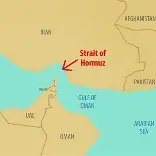
Escalating incidents in the West Bank and fresh warnings around shipping lanes and the Strait of Hormuz are deepening fears of a wider regional crisis. Recent reports point to rising violence in the occupied West Bank, while Iran has issued warnings about vessel movement in the Strait of Hormuz, one of the world’s most sensitive maritime chokepoints.
Introduction
The Middle East is facing two linked pressure points at once: growing insecurity on land in the West Bank and heightened risk at sea near the Strait of Hormuz. Each issue is serious on its own, but together they raise concerns about broader instability, disrupted trade, and the possibility of further escalation.
For governments, shipping companies, and regional observers, the situation is not just about isolated incidents. It is about whether local violence and maritime threats begin feeding into a larger cycle of retaliation and uncertainty.
West Bank Violence Is Rising
Reports from the West Bank show a sharp rise in attacks, raids, injuries, and displacement pressures. Human rights groups say settler violence has intensified, with homes and vehicles burned and multiple Palestinians injured in coordinated incidents across several locations.
Security officials have also warned that the situation could deteriorate further, especially as tensions spread across different areas of the West Bank. The concern is that recurring violence may weaken stability and increase the risk of new flashpoints.
Why the West Bank Matters
The West Bank remains one of the most volatile areas in the region because local violence can quickly become politically and militarily significant. When attacks, raids, and displacement increase, they can affect not only nearby communities but also broader regional diplomacy.
The current escalation is drawing attention because it is unfolding while other major regional crises are already active. That makes the West Bank situation harder to contain and more likely to influence the wider security environment.
Strait of Hormuz Warnings
At the same time, warnings tied to the Strait of Hormuz are adding a maritime dimension to the crisis. Iranian officials have cautioned ships against using unauthorized routes through the waterway and have warned of consequences for vessels that do not comply with their instructions.
This matters because the Strait of Hormuz is one of the most important oil transit routes in the world. Any threat to movement through that corridor can quickly raise shipping risk, push up insurance costs, and unsettle energy markets.
Impact on Shipping and Energy
Shipping companies are especially sensitive to signals of instability in the Strait of Hormuz because even the threat of disruption can change routing decisions. That can slow deliveries, raise freight costs, and create pressure across global supply chains.
Energy markets also react quickly to these warnings. Since the strait is a critical passage for oil exports, traders tend to treat any closure threat or naval warning as a sign that prices could rise.
Why the Two Issues Are Linked
The West Bank and the Strait of Hormuz are different arenas, but they sit inside the same wider regional conflict picture. Rising violence on land and pressure at sea both contribute to the same feeling of instability, which makes de-escalation more difficult.
When tension spreads across multiple fronts, it becomes harder for diplomats to isolate one problem from another. That is why analysts are watching both the West Bank and shipping lanes so closely right now.
Conclusion
The latest warnings from the West Bank and the Strait of Hormuz suggest that the region is entering a more dangerous phase. Violence on the ground, threats to shipping, and the risk of broader retaliation are all shaping a fragile security picture.
For readers, businesses, and policymakers, the main message is clear: these are not separate stories, but connected signs of regional strain. The next few days will matter for both stability on land and safety at sea
About The Author


